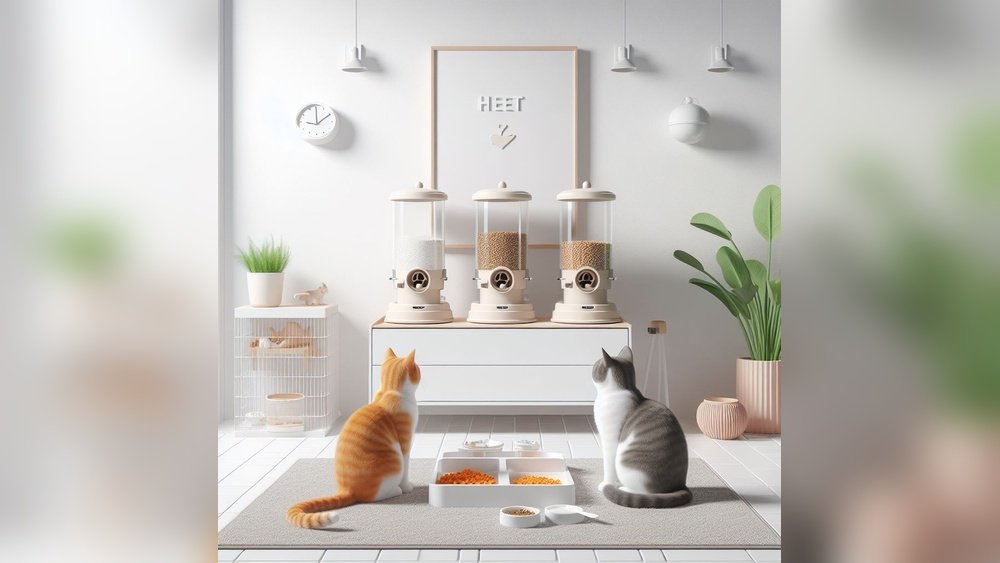
Indoor cats live a very different life than outdoor cats, and their food should reflect that. Less running, jumping fences, and hunting means fewer calories burned, which is a big part of why indoor cats are more prone to weight gain. At the same time, less exposure to fresh air and grass can mean more hairballs and, for some cats, more sensitive digestion.
“Indoor” cat food formulas are built around these differences — usually with moderated calorie density, added fiber to help move hairballs through, and nutrients that support a less active lifestyle without shorting your cat on protein.
Here are five real, well-regarded indoor cat foods worth considering, followed by what actually matters when choosing between them.
This post contains affiliate links. As an Amazon Associate, Fluffy Eyes earns from qualifying purchases at no extra cost to you.
Royal Canin Indoor Adult Dry Cat Food
Purpose-built for indoor cats, this formula is calibrated around the lower activity level and slower metabolism typical of cats that don’t go outside. It also includes fiber sources aimed at reducing hairballs and supporting healthy stool.
- Calorie content specifically calibrated for lower indoor activity levels
- Fiber blend helps reduce hairball frequency
- Widely available and vet-recommended brand
- Kibble size and shape designed to encourage chewing, which helps dental health
Cons:
- Higher price point than many mainstream brands
- Contains grain, which isn’t ideal if your cat needs a grain-free diet
Hill’s Science Diet Adult Indoor Cat Food
A widely trusted formula that balances moderate calories with quality protein to help maintain lean muscle in less active indoor cats. It’s a common recommendation for cats that need to manage weight without sacrificing overall nutrition.
- Formulated for weight management in lower-activity cats
- Natural fiber blend supports hairball control
- Backed by a long track record and veterinary formulation
- Widely available at pet stores and online
Cons:
- Some cats find the taste less appealing than richer, higher-fat foods
- Priced above budget cat food brands
Purina Pro Plan Indoor Care Formula
A strong option for owners looking for real animal protein as the first ingredient at a more accessible price point than some premium brands. The Indoor Care line is built around supporting healthy weight and reducing hairballs while keeping protein content solid.
- Real meat listed as the first ingredient
- Fiber blend supports natural hairball reduction
- Includes live probiotics for digestive support
- Reasonably priced relative to other vet-recommended brands
Cons:
- Kibble shape and texture won’t suit every picky eater
- Contains corn and grain-based fillers, which some owners prefer to avoid
Blue Buffalo Indoor Health Adult Cat Food
A grain-inclusive but wholesome-ingredient formula that leans on real chicken as the primary protein, along with added fiber for hairball control and L-carnitine to support a healthy metabolism in less active cats.
- Real chicken as the first ingredient
- L-carnitine included to support metabolism in lower-activity cats
- No poultry by-product meals, corn, wheat, or soy
- Widely available at major pet retailers
Cons:
- Higher fat content than some strictly weight-focused formulas
- Pricier than mass-market brands
Iams Proactive Health Indoor Weight Control
A budget-friendlier option that still targets the core needs of indoor cats — moderated calories, fiber for hairball control, and L-carnitine to support metabolism — making it a reasonable choice for owners managing multiple cats or tighter budgets.
- More affordable than premium indoor formulas
- Includes fiber blend for hairball management
- Chicken-based protein as a primary ingredient
- Widely available in stores, which helps for repeat purchases
Cons:
- Contains more corn and grain filler than premium competitors
- Some cats show less enthusiasm for the taste compared to pricier brands
Buying Guide: What to Look For
Calorie density
Indoor cats need fewer calories per pound than active outdoor cats. Look for formulas explicitly labeled for indoor cats or weight management, and pay attention to feeding guidelines on the bag relative to your cat’s actual weight.
Protein quality
Lower calorie doesn’t mean lower quality. Look for a real meat source (chicken, turkey, fish) as the first ingredient rather than relying mainly on plant-based fillers to hit protein numbers.
Fiber for hairball control
Indoor cats tend to groom more out of boredom and don’t get the natural roughage that comes from outdoor grazing on grass. Added fiber helps move swallowed hair through the digestive tract instead of it building up into hairballs.
Wet vs. dry food
Indoor cats are also more prone to urinary tract issues partly due to lower water intake. Mixing in wet food, which has much higher moisture content than dry kibble, can help support hydration alongside whatever dry food you choose.
Weight management history
If your cat is already overweight, look specifically for a “weight control” or “light” formulation rather than a general indoor formula, and talk to your vet about a target weight and feeding plan.
Ingredient sensitivities
Some cats do better on grain-free formulas, though grain-free isn’t inherently better for every cat — it depends on individual sensitivities. If your cat has ongoing digestive issues, a vet visit to rule out food sensitivities is worth doing before cycling through multiple foods.
FAQ
Do indoor cats really need different food than outdoor cats?
Generally yes. Indoor cats burn fewer calories due to lower activity, so a food calibrated for that — rather than a formula built for a highly active outdoor cat — helps prevent gradual weight gain over time.
Why do indoor cats get hairballs more often?
Indoor cats tend to groom more frequently, partly out of boredom, and don’t have the natural roughage from grazing on grass outside that helps move hair through their system. Indoor formulas typically add extra fiber to help with this.
Should I feed my indoor cat wet or dry food?
Both can work well, and many owners do a mix. Wet food offers more moisture, which supports hydration and urinary health, while dry food is more convenient and can support dental health through chewing.
How do I know if my indoor cat is overweight?
You should be able to feel (but not necessarily see) their ribs with light pressure, and there should be a visible waist when viewed from above. If you’re unsure, your vet can assess body condition and recommend adjustments at a regular visit.
Is grain-free food better for indoor cats?
Not necessarily — grain-free isn’t automatically healthier for every cat. It matters more for cats with specific grain sensitivities. For most indoor cats, the bigger factors are calorie control, protein quality, and fiber content rather than whether grain is present.
Final Thoughts
The right indoor cat food comes down to matching calorie needs to your cat’s actual activity level while still delivering real, quality protein. Any of the five options above are solid, well-established choices — the best one for your cat depends on their current weight, any sensitivities, and what they’ll actually enjoy eating consistently.