
For a lot of first-time pet owners, understanding spay and neuter starts with a vague sense that it’s “the responsible thing to do” without much clarity on what the surgery actually involves, how recovery works, or what questions to ask beforehand. That uncertainty is completely normal — it’s a routine procedure for vets, but it’s a big deal for you and your pet, and it’s worth going in informed.
This article covers general, widely accepted information about these procedures. Your veterinarian is the right person to discuss timing, technique, and any pet-specific risks or concerns, since every animal’s situation is a little different.
What Spay and Neuter Actually Mean
“Spay” refers to the surgical sterilization of female dogs and cats, typically involving removal of the ovaries and, in many cases, the uterus, which prevents pregnancy and heat cycles. “Neuter” (sometimes called castration) refers to the surgical sterilization of male dogs and cats through removal of the testicles, which prevents reproduction and reduces certain hormone-driven behaviors.
Both are common, routine surgeries performed under general anesthesia, and veterinary teams perform them extremely frequently, which means the surgical team has a lot of practical experience managing the process safely.
Why Vets Commonly Recommend These Procedures
- Population control — reducing the number of unplanned litters is one of the most significant factors in animal shelter capacity nationwide
- Behavioral effects — many pets show reduced roaming, marking, or mounting behavior after the procedure, though behavior is influenced by many factors and results vary by individual
- Health considerations — spaying and neutering can reduce the risk of certain reproductive-related health issues later in life
The right age and approach for your specific pet depends on breed, size, and health history, so this is a conversation to have directly with your vet rather than a one-size-fits-all decision.
Preparing for the Day of Surgery
Your vet’s office will give you specific pre-surgery instructions, which commonly include:
- Fasting your pet for a set period beforehand, since anesthesia requires an empty stomach
- Confirming your pet is healthy enough for anesthesia, sometimes involving pre-surgical bloodwork
- Arranging transportation to and from the clinic, since your pet won’t be able to drive itself home groggy from anesthesia (and neither should you feel rushed)
- Planning time off work or reduced activity at home for the recovery window
Ask your vet’s office for a written checklist if one isn’t automatically provided — it’s a lot to remember, especially if you’re nervous about the procedure.
What Happens During Recovery
Most pets go home the same day or within a day of surgery. Recovery periods vary, but general patterns your vet may describe include:
- Grogginess for the first 24 hours as anesthesia wears off
- Restricted activity, often for one to two weeks, to protect the incision site while it heals
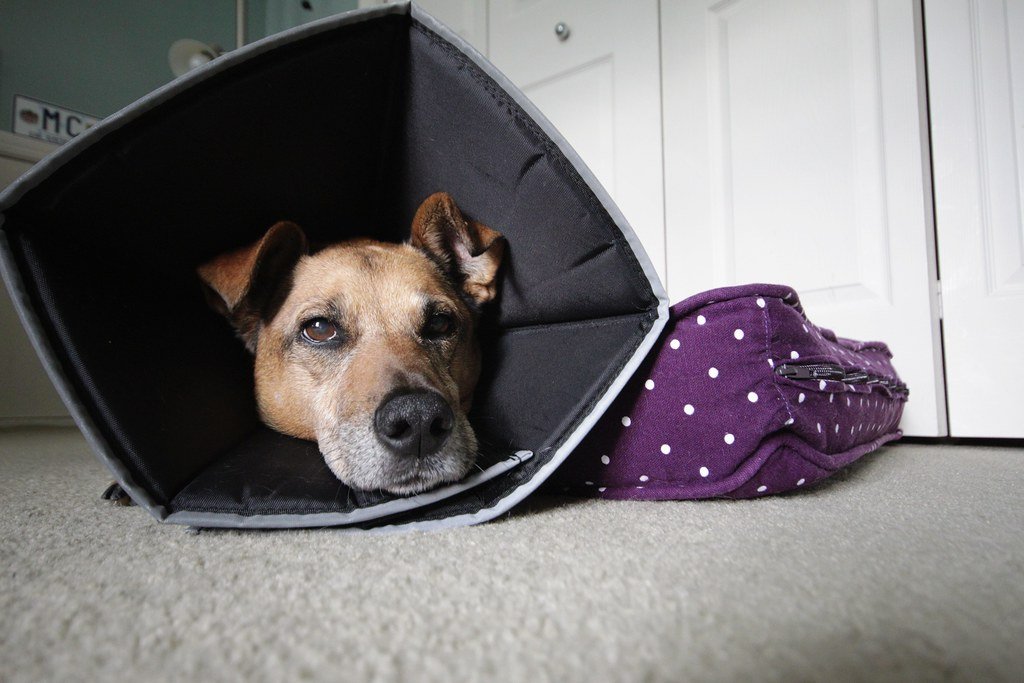
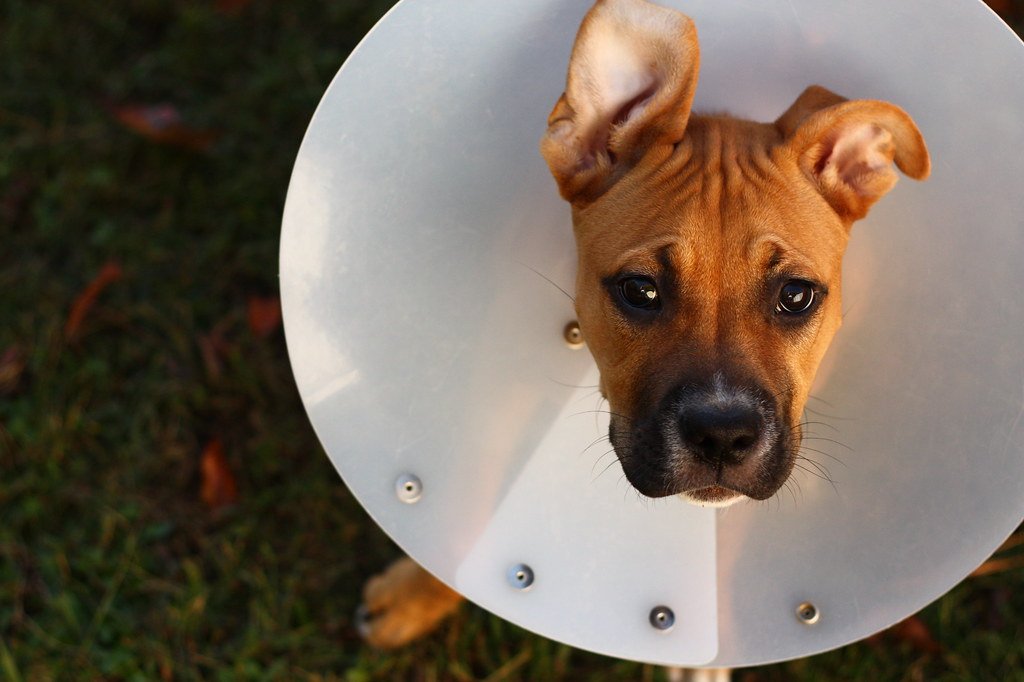
- An e-collar or recovery suit to prevent licking or chewing at the incision
- A follow-up visit to check healing and, if needed, remove stitches
- Pain management as prescribed by your vet — never give your pet human pain medication or anything not specifically prescribed for them
During recovery, keep a close eye on the incision site. Some mild redness or swelling can be normal in the first day or two, but you should contact your vet promptly if you notice discharge, significant swelling, the incision opening, unusual lethargy, vomiting, loss of appetite lasting more than a day, or any sign your pet seems to be in significant pain. Your vet’s aftercare instructions will typically include a specific list of what warrants a call versus what’s expected.
Common Misconceptions Worth Clearing Up
- “It will drastically change my pet’s personality.” Most owners find their pet’s core personality stays the same; some behaviors linked to hormones may shift, but temperament generally doesn’t change dramatically.
- “It’s better to let a female have one litter first.” This isn’t supported by mainstream veterinary guidance — talk to your vet about the actual health considerations for your pet rather than relying on this common myth.
- “Recovery is extremely painful.” Discomfort is expected and managed with prescribed pain control, but severe or worsening pain is not typical and should be reported to your vet right away.
Frequently Asked Questions
How long does the surgery itself take?
It varies by procedure and individual pet, but both spay and neuter surgeries are generally completed within the same visit, with pets going home once they’ve recovered enough from anesthesia. Your vet can give you a more specific estimate for your pet.
Is there an ideal age for spay or neuter?
Recommendations vary by species, breed, and individual health factors, and guidance has evolved over time as research continues. This is a decision best made in partnership with your veterinarian rather than based on a fixed rule.
Will my pet gain weight after being spayed or neutered?
Some pets experience a metabolic shift that can make weight gain more likely, but this is manageable through diet and exercise. Your vet can help you adjust feeding as needed after the procedure.
Final Thoughts
Understanding spay and neuter surgery mostly comes down to knowing what to prepare for beforehand and what calm, attentive aftercare looks like once you’re home. It’s a routine procedure, but “routine” doesn’t mean it deserves any less care and attention from you during recovery. If you have questions specific to your pet’s age, breed, or health history, bring them directly to your veterinarian — they can walk you through exactly what to expect for your individual companion.