
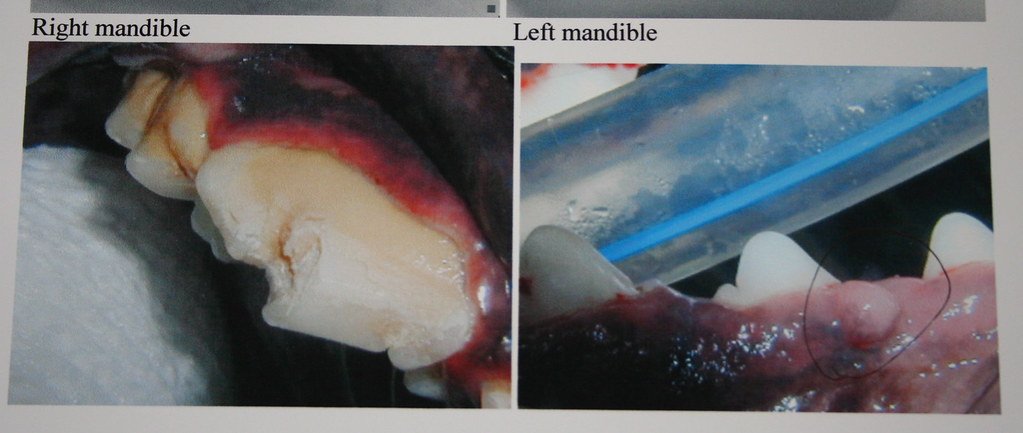
Your dog is eating well, playing hard, and seems totally normal — so do dogs need annual checkups even when healthy, or is that just an extra expense for a problem that doesn’t exist? It’s a fair question, and one a lot of owners quietly wonder about every time a reminder postcard shows up in the mail. The short answer is yes, and the reason has less to do with catching something wrong right now and more to do with tracking your dog’s health over time.
Why “Healthy Looking” Isn’t the Same as Healthy
Dogs are remarkably good at masking discomfort. It’s an instinct left over from their wild ancestry, where showing weakness could make an animal a target. That means a dog can be in the early stages of a dental problem, joint issue, or organ change and still greet you at the door with a wagging tail every single day. By the time visible symptoms show up — limping, appetite changes, lethargy — an underlying issue may have already been developing for a while.
Annual checkups exist precisely to look past behavior and get an objective read on what’s happening inside your dog’s body, through physical examination and, when appropriate, bloodwork or other diagnostics your vet recommends.
What Actually Happens at an Annual Checkup
A typical wellness visit isn’t just a quick look-over. It usually includes several components working together:
- Physical examination — checking the heart, lungs, joints, skin, ears, eyes, teeth, and abdomen for anything out of the ordinary
- Weight and body condition tracking — small changes over a year can flag issues before they become obvious
- Parasite screening — often via a fecal test to check for intestinal parasites
- Vaccination review — making sure core and lifestyle-based vaccines are current
- Discussion of diet, exercise, and behavior — a chance to raise anything you’ve noticed, even small things
- Age-appropriate screening — older dogs may benefit from bloodwork or other diagnostics your vet recommends based on breed and history
This is also your chance to ask questions. Vets are used to owners bringing in a list of “probably nothing” observations, and often those small notes turn out to be useful pieces of a bigger picture.
The Case for Prevention Over Reaction
One of the most persuasive reasons annual visits matter is that they shift the relationship with your dog’s health from reactive to proactive. Waiting until a dog is visibly unwell before seeing a vet means you’re often already playing catch-up. Regular checkups instead build a baseline: your vet gets to know what “normal” looks like for your specific dog, which makes it much easier to spot a meaningful change later.
This is especially true because dogs age faster than humans do, so a lot can shift in the space of a single year — more than most owners realize day to day, since you’re seeing your dog constantly and small changes creep in gradually.
Does It Matter More for Certain Dogs?
Annual checkups are valuable for every dog, but a few groups benefit even more from consistent monitoring:
- Senior dogs — many vets recommend more frequent visits, sometimes twice yearly, as dogs move into their senior years, since age-related conditions become more common
- Breeds prone to specific conditions — certain breeds have known predispositions your vet can watch for
- Dogs on long-term medication — regular monitoring helps ensure treatment is still working as intended
- Multi-pet households — easier to miss subtle changes in one dog when there are several to keep an eye on
That said, even a young, single dog in an attentive household benefits from the objective, hands-on assessment a vet provides — something that’s hard to replicate at home no matter how closely you’re paying attention.
What It Costs Versus What It Prevents
Annual visits are an ongoing expense, and it’s reasonable to weigh that. But many conditions caught early are far more manageable, and often less costly to address over time, than the same condition caught late. Beyond the financial angle, early detection frequently means more options and a better quality of life for your dog during treatment or management, whatever that treatment turns out to be.
Frequently Asked Questions
How often should a healthy adult dog see the vet?
Most vets recommend at least once a year for healthy adult dogs, with more frequent visits often suggested for puppies, seniors, or dogs managing an ongoing health condition. Your vet can tell you what makes sense for your dog specifically.
What if my dog hates going to the vet?
This is a common concern, and it’s worth mentioning to your vet’s office directly — many practices have strategies for reducing stress, from separate waiting areas to low-stress handling techniques. Skipping visits because of anxiety usually isn’t the better trade-off long term.
Are annual checkups still necessary if my dog is on preventive medications?
Yes. Preventives address specific risks like parasites, but they don’t replace a full physical exam or catch unrelated issues like dental disease, lumps, or joint changes.
Final Thoughts
So, do dogs need annual checkups even when healthy? Yes — precisely because “healthy” is often a snapshot based on what you can see, and a checkup fills in what you can’t. Think of it less as a response to a problem and more as regular maintenance that keeps small issues small. Your vet is the best partner for figuring out the right frequency and scope of care for your individual dog, so if it’s been a while since your dog’s last visit, that’s worth putting on the calendar.