
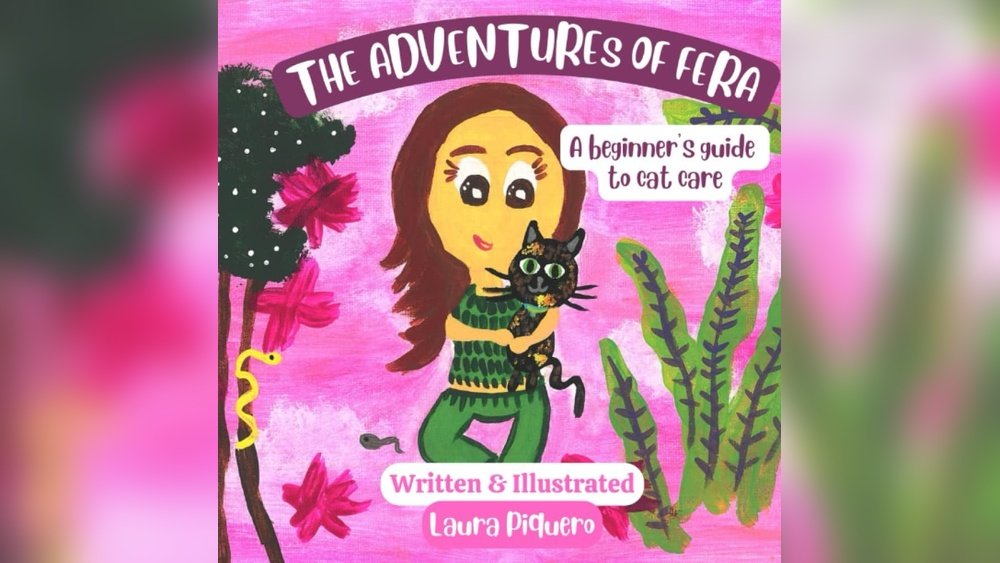
Bringing a cat into your home is a happy moment. Cats are friendly and fun pets. But they need care and love every day. This guide helps you learn how to care for a cat well. It is easy to read and understand. You will find simple tips for your new cat friend.
Choosing the Right Cat
Before getting a cat, think about your home and time. Cats need attention and space to play. Some cats like being alone. Others want company all the time. Visit a shelter or pet store. Talk to people who know cats. This helps you find a cat that fits your life.

Credit: www.amazon.com
Preparing Your Home
Make your home safe for the cat. Remove things that can hurt it. Small objects, wires, and toxic plants can be dangerous. Have a quiet place for your cat to sleep. Cats like soft beds and warm spots. Also, buy some toys and a scratching post.
What to Feed Your Cat
Food is very important for your cat’s health. Cats need special food made for them. You can buy dry food, wet food, or both. Always provide fresh water. Change the water every day. Don’t give your cat milk. Many cats cannot digest milk well.
Cat Food Basics:
- Choose food for your cat’s age.
- Check ingredients for good nutrients.
- Feed small meals two or three times a day.
- Keep food bowls clean.
Keeping the Litter Box Clean
A litter box is where your cat goes to the bathroom. It must be clean all the time. Scoop out waste daily. Change the litter at least once a week. Put the box in a quiet and private place. Some cats prefer covered boxes; others like open ones.

Credit: www.amazon.com
Health Care for Your Cat
Cats need regular health check-ups. Take your cat to the vet once a year. Keep your cat’s vaccinations up to date. Also, protect your cat from fleas and ticks. If your cat looks sick or acts strange, see a vet quickly.
Common Health Tips:
- Watch for changes in eating or behavior.
- Keep your cat indoors for safety.
- Trim your cat’s nails carefully.
- Brush your cat’s fur to avoid tangles.
How to Play with Your Cat
Playing is fun for cats and owners. It helps your cat stay healthy and happy. Use toys like balls, feathers, or strings. Move toys slowly to catch your cat’s attention. Avoid using your hands or feet as toys. This teaches bad habits.
Understanding Cat Behavior
Cats show feelings in many ways. They use body language and sounds. Purring means the cat is happy or relaxed. Hissing or growling means the cat feels scared or angry. Tail position can tell a lot about your cat’s mood.
| Tail Position | Meaning |
|---|---|
| Up and straight | Happy and confident |
| Low or tucked | Scared or shy |
| Fluffed up | Afraid or angry |
| Swaying slowly | Curious or playful |
Grooming Your Cat
Grooming helps your cat stay clean and healthy. Brush your cat’s fur often. This removes loose hair and dirt. It also reduces hairballs. Some cats need daily brushing, others less. Bathing is usually not needed unless your cat is dirty.
Training Your Cat
Cats can learn simple rules. Use gentle words and rewards like treats. Train your cat to use the litter box. Also, teach it not to scratch furniture. Provide a scratching post and encourage its use.
Traveling with Your Cat
If you travel, keep your cat safe. Use a special cat carrier. Let your cat get used to the carrier before the trip. Never leave your cat alone in a car. Bring food, water, and toys for long trips.
When to Get Help
Sometimes, cats have problems you cannot fix. If your cat is not eating or is very quiet, check with a vet. If your cat bites or scratches often, ask for advice. Getting help early keeps your cat healthy and happy.
Summary: Simple Steps for Cat Care
- Choose a cat that fits your home and time.
- Make your home safe and welcoming.
- Feed your cat good food and fresh water.
- Keep the litter box clean every day.
- Visit the vet regularly for check-ups.
- Play and spend time with your cat daily.
- Learn your cat’s body language.
- Brush your cat’s fur and trim nails.
- Train your cat with kindness and patience.
- Travel safely with a proper carrier.
Caring for a cat is a joyful experience. Your cat will give you love and friendship. With this guide, you can start your cat care journey well. Remember, patience and kindness are the best tools. Enjoy your time with your new furry friend!
Frequently Asked Questions
How Often Should I Feed My Cat Daily?
Cats usually need two meals a day. Kittens may require more frequent feeding. Always provide fresh water alongside meals.
What Type Of Litter Is Best For Cats?
Clumping clay litter is popular and easy to clean. Some cats prefer unscented, natural options. Try different types to find your cat’s favorite.
How Can I Tell If My Cat Is Healthy?
Healthy cats have bright eyes, clean ears, and shiny fur. They stay active and eat regularly. Watch for changes in behavior or appetite.
What Toys Are Safest For Indoor Cats?
Soft balls, feather wands, and small stuffed toys work well. Avoid toys with small parts that can be swallowed. Rotate toys to keep cats interested.