
Cats are wonderful pets. They are soft, playful, and friendly. Taking care of a cat can be fun and easy. But you need to know some important things. This guide will help you learn how to care for your cat. You will find simple tips to keep your cat happy and healthy.
1. Prepare Your Home for a Cat
Before you bring a cat home, get ready. Cats need a safe and clean place. Make sure your house is quiet and calm. Cats like to hide sometimes. Provide small spaces or boxes for them.
Buy some basic things:
- Food and water bowls
- Cat food
- A litter box
- A bed or soft blanket
- Toys
- Scratching posts
These things help your cat feel comfortable. A scratching post is important. It saves your furniture from scratches. Cats like to scratch to keep their claws healthy.
2. Feeding Your Cat
Feeding your cat the right food is very important. Cats need special food made for them. You can buy dry or wet cat food. Both are good. Sometimes, you can give a mix of both.
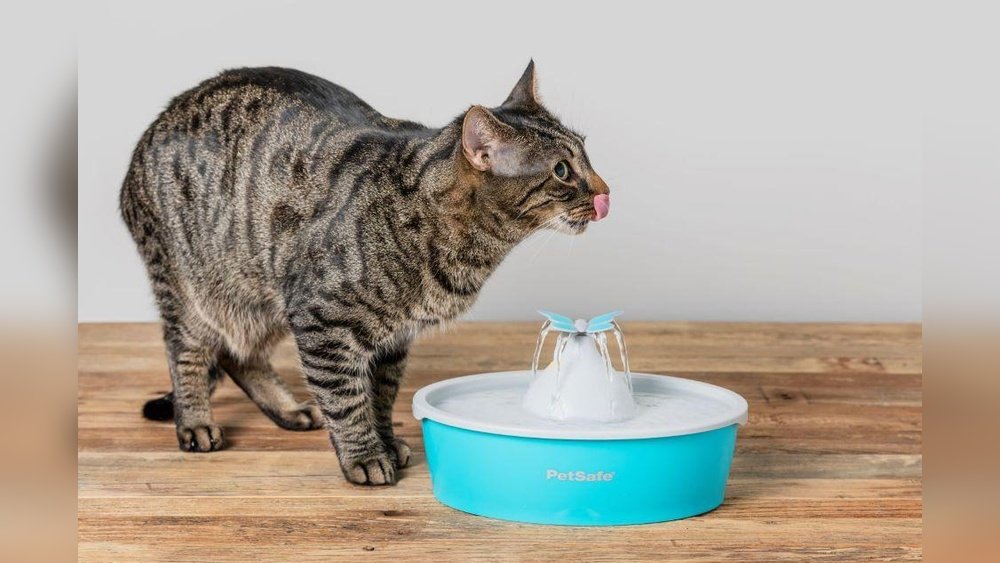
Give your cat fresh water every day. Change the water often. Cats like clean water. Do not give your cat milk. Many cats cannot drink milk. It can make them sick.
Feed your cat two times a day. In the morning and in the evening. Give the right amount of food. Do not give too much. Overeating can make your cat fat.
3. Keep Your Cat Clean
Cats are usually very clean. They clean themselves by licking their fur. But you can help them stay clean.
Brush your cat’s fur every day. It stops hair from falling everywhere. It also helps if your cat has long hair. Brushing stops mats and tangles.
If your cat goes outside, clean its paws when it comes in. Use a soft cloth or tissue. This stops dirt and germs from spreading in your home.
Bathe your cat only if needed. Most cats do not like water. Use special cat shampoo if you must bathe them. Do not use human shampoo.

Credit: allurelakestorey.com
:strip_icc()/your-first-cat-tutorial-555305_v1-5bd3696046e0fb0051c86410.png)
Credit: www.thesprucepets.com
4. Use a Litter Box
Cats use a litter box to go to the bathroom. Place the litter box in a quiet place. Keep it away from food and water bowls.
Use good cat litter. It absorbs smells and waste. Scoop the litter box every day. Clean the whole box with soap and water once a week.
If your cat does not use the litter box, check if it is clean. Sometimes, cats stop using it if it is dirty.
5. Visit the Vet
Taking your cat to the vet is very important. The vet checks your cat’s health. They give vaccines to stop diseases.
Take your cat for a checkup every year. If your cat looks sick, go to the vet quickly. Common signs of sickness are:
- Not eating
- Throwing up
- Diarrhea
- Being very tired
- Scratching a lot
The vet also helps to keep your cat free from fleas and worms. Ask the vet about medicines for this.
6. Give Your Cat Exercise and Playtime
Cats need exercise to stay healthy. Play with your cat every day. Use toys like balls, strings, or feather wands.
Playing helps your cat stay active. It also makes your cat happy. A tired cat sleeps well and behaves better.
Do not use your hands or feet as toys. Cats may bite or scratch by mistake. Use toys made for cats.
7. Provide a Comfortable Place to Sleep
Cats love to sleep a lot. They can sleep 12 to 16 hours every day. Give your cat a warm, soft place to rest.
Use a cat bed, blanket, or a small box with a pillow. Put the bed in a quiet and safe spot.
Sometimes, cats like to sleep near their owners. Let your cat sleep with you if you like.
8. Give Your Cat Attention and Love
Cats are social animals. They like attention and love from their owners. Spend time with your cat every day.
Talk to your cat in a soft voice. Pet your cat gently. This builds trust and a good relationship.
But remember, cats sometimes want to be alone. Respect your cat’s space when needed.
9. Keep Your Cat Safe
Keep your cat inside your home or garden if possible. Outside, cats can get hurt or lost.
If you let your cat outside, watch them carefully. Make sure they have a safe place to hide. Avoid busy streets and dangerous animals.
Keep harmful plants, chemicals, and small objects out of reach. Cats can chew or swallow things that hurt them.
10. Understand Your Cat’s Behavior
Cats communicate with their body and sounds. Learn to read your cat’s signals.
| Behavior | Meaning |
|---|---|
| Purring | Cat is happy and relaxed |
| Hissing | Cat feels scared or angry |
| Slow blinking | Cat trusts you and feels safe |
| Tail up | Cat is friendly and happy |
| Hiding | Cat feels scared or wants to rest |
Understanding your cat’s behavior helps you care for them better.
Summary
Taking care of a cat is simple if you follow these steps:
- Prepare a safe and cozy home.
- Feed your cat healthy food and fresh water.
- Keep your cat clean by brushing and bathing if needed.
- Use and clean the litter box regularly.
- Visit the vet for checkups and medicine.
- Play with your cat to keep it active.
- Give a warm and quiet place to sleep.
- Show love and attention to your cat.
- Keep your cat safe inside or watch outside carefully.
- Learn your cat’s behavior and feelings.
Your cat will be happy and healthy if you care well. Enjoy your time with your furry friend!
Frequently Asked Questions
How Often Should I Feed My Cat Daily?
Feed your cat two to three small meals a day. Avoid free-feeding to control their weight and health.
What Is The Best Type Of Food For Cats?
Choose high-quality cat food with real meat as the main ingredient. Wet food helps keep cats hydrated.
How Do I Keep My Cat’s Litter Box Clean?
Scoop the litter box daily and change the litter weekly. Clean the box with soap and water regularly.
How Often Should I Groom My Cat?
Brush your cat once or twice a week to remove loose fur. Long-haired cats may need daily grooming.