
Understanding pet obesity and its risks starts with a hard truth: a lot of overweight dogs and cats are quietly normalized by the people who love them. “Big-boned,” “husky,” or “just fluffy” descriptions often paper over a health issue that’s become extremely common in household pets. Excess weight isn’t just a cosmetic issue — it shortens lives and drives a long list of preventable diseases. Here’s what the extra weight actually does to a pet’s body, how to tell if your own dog or cat is carrying too much, and what a realistic path back to a healthy weight looks like.
How Common Is Pet Obesity?
Veterinary surveys have consistently found that a large share of dogs and cats seen in general practice are overweight or obese, and the number has trended upward over recent years. Part of the problem is visual: because so many pets carry extra weight, an overweight body has started to look “normal” to a lot of owners, which makes it harder to notice in your own pet without a more objective check.
Why Extra Weight Is a Real Health Problem, Not Just Appearance
Carrying excess weight puts mechanical strain on joints, which accelerates arthritis and makes existing joint problems worse. It also changes how a pet’s body handles insulin, increasing the risk of diabetes, particularly in cats. Extra fat tissue isn’t just inert padding — it’s metabolically active and contributes to chronic, low-grade inflammation that affects organs throughout the body.
Overweight pets face a higher risk of heart and respiratory strain, are more prone to certain types of cancer, and tend to have a harder time regulating body temperature. Surgery and anesthesia also carry more risk in overweight animals. Taken together, veterinary research has linked excess weight in dogs to a shorter average lifespan compared to lean dogs of the same breed, which is a striking way to frame what’s at stake.
How to Tell If Your Pet Is Overweight
The bathroom scale number matters less than body condition, since healthy weight ranges vary enormously by breed and frame size. A few hands-on checks work across breeds:
- Ribs: You should be able to feel your pet’s ribs with light pressure, without them being visibly prominent. If you have to press hard to find them, that’s a sign of excess fat covering.
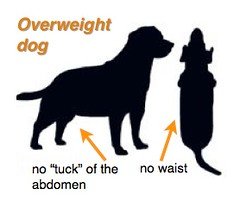
- Waist: Looking down from above, there should be a visible waist tuck behind the ribs. A straight or bulging silhouette suggests extra weight.
- Abdominal tuck: From the side, the belly should tuck up behind the ribcage rather than hanging level with or below the chest.
Your veterinarian can score your pet on a standardized body condition scale at any routine visit, which is a more reliable read than eyeballing it at home, especially with long-haired breeds where extra weight can be hard to see under the coat.
Common Causes
Overfeeding and Free Feeding
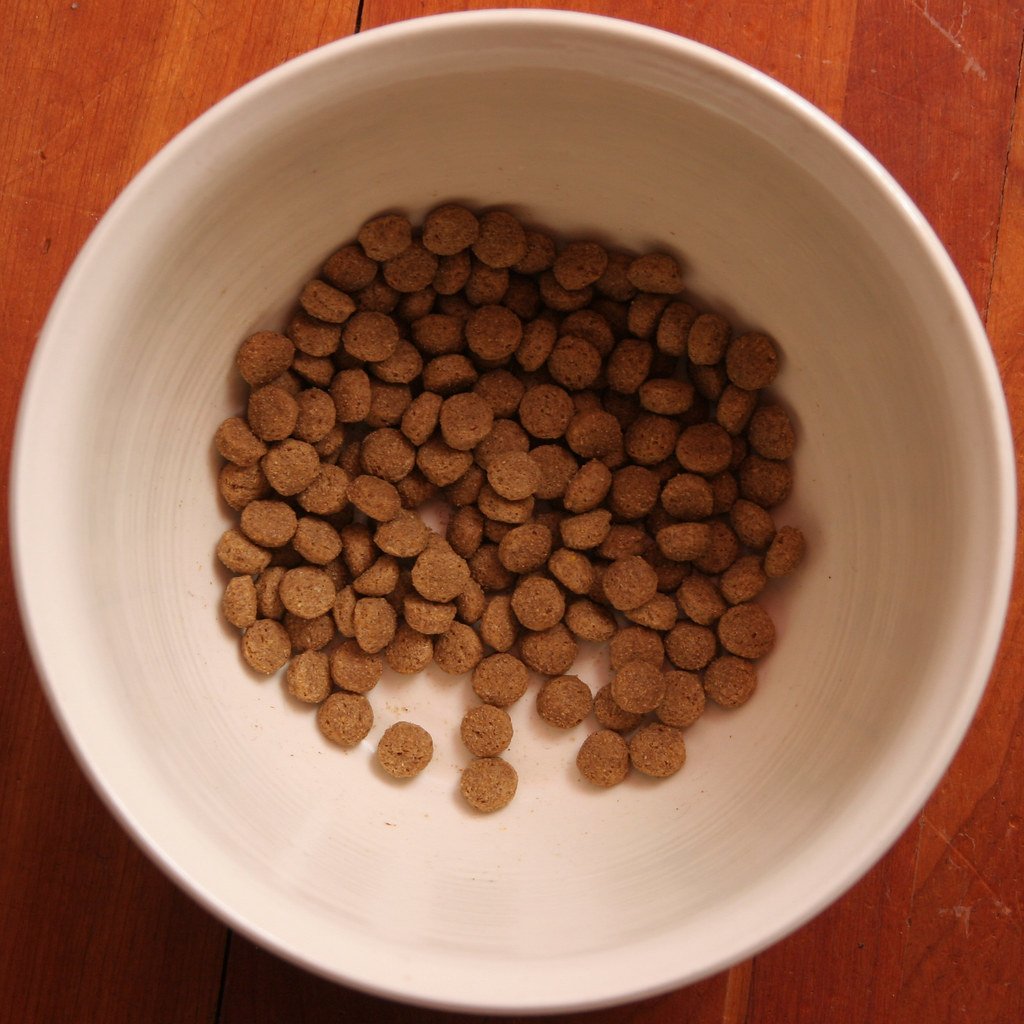
Leaving food out all day makes portion control nearly impossible to track, and pet food bag “recommended” amounts are often more generous than what an individual pet actually needs, especially spayed or neutered animals with slower metabolisms.
Too Many Treats
Treats add up quickly relative to a pet’s small daily calorie needs. A few training treats or table scraps that seem trivial to a person can represent a meaningful chunk of a cat or small dog’s entire daily intake.
Not Enough Activity
Indoor cats and dogs who don’t get regular walks or play sessions burn fewer calories, and a feeding routine that hasn’t adjusted to match can lead to slow, steady weight gain that’s easy to miss month to month.
Age and Life Stage Changes
Metabolism slows with age, and a feeding amount that was right for a younger, more active pet often becomes too much once they slow down, even if their appetite stays the same.
What Actually Helps
Weight loss for pets works on the same basic principle it does for people — calories in versus calories out — but the specifics matter, and this is a place to loop in your vet rather than guessing. A vet can help you calculate an appropriate calorie target, rule out medical causes of weight gain like thyroid issues, and recommend a pace of weight loss that’s safe, since losing weight too quickly can be dangerous for both dogs and cats.
Practical steps that tend to help across the board include measuring food with an actual measuring cup instead of eyeballing it, cutting back on treats or swapping in low-calorie options like small pieces of vegetable, and adding structured activity, even short daily walks or a few minutes of interactive play with a cat. Weighing your pet monthly and tracking the trend gives you an early warning if something isn’t working, well before it becomes obvious by eye.
FAQ
How do I know if my cat is overweight if she has long fur?
Fur can hide a lot, so rely on touch rather than sight. Run your hands along the ribs and check for a waist tuck by feel. Your vet can also give an objective body condition score at a wellness visit.
Is it okay to put my dog on a diet without talking to a vet first?
It’s better to involve your vet, especially for larger amounts of weight to lose. They can rule out medical causes of weight gain and make sure the calorie reduction is safe and appropriately paced for your pet’s size and health status.
Can obesity in pets be reversed?
In most cases, yes, especially when caught early and paired with a structured plan from your vet. Weight loss won’t undo joint damage that’s already occurred, but it reduces ongoing strain and lowers the risk of new problems developing.
Final Thoughts
Understanding pet obesity and its risks is really about recognizing that extra weight is a medical issue, not a personality trait or a harmless quirk. A quick hands-on check at home and an honest conversation with your vet are the two best tools for catching it early, and the payoff — a longer, more comfortable life for your dog or cat — is worth the adjustment.