Cats are notorious counter-surfers and curious nibblers, which makes knowing the toxic foods cats should never eat one of the most practical pieces of pet-safety knowledge you can have. Unlike dogs, cats are obligate carnivores with a liver that processes certain compounds very differently from ours, so foods that seem harmless to people can cause serious harm to them. This guide covers the substances with well-documented toxicity in cats, why they’re dangerous, and what to do if your cat eats one of them.
Why Cats Are Especially Vulnerable
A cat’s small body size means even a modest amount of a toxic substance is a proportionally large dose. Cats also lack certain liver enzymes that help other animals break down and clear specific compounds, which is part of why onions, garlic, and some medications hit them harder than they might hit a dog or a person. When in doubt about anything your cat has eaten, treat it as urgent rather than waiting to see if symptoms appear.
Foods That Are Genuinely Dangerous
Chocolate
Chocolate contains theobromine and caffeine, both stimulants that cats metabolize slowly. Darker chocolate and baking chocolate carry more of these compounds than milk chocolate, but no chocolate should be considered safe. Signs of toxicity include vomiting, restlessness, a racing heart, tremors, and in severe cases, seizures.
Onions, Garlic, Leeks, and Chives
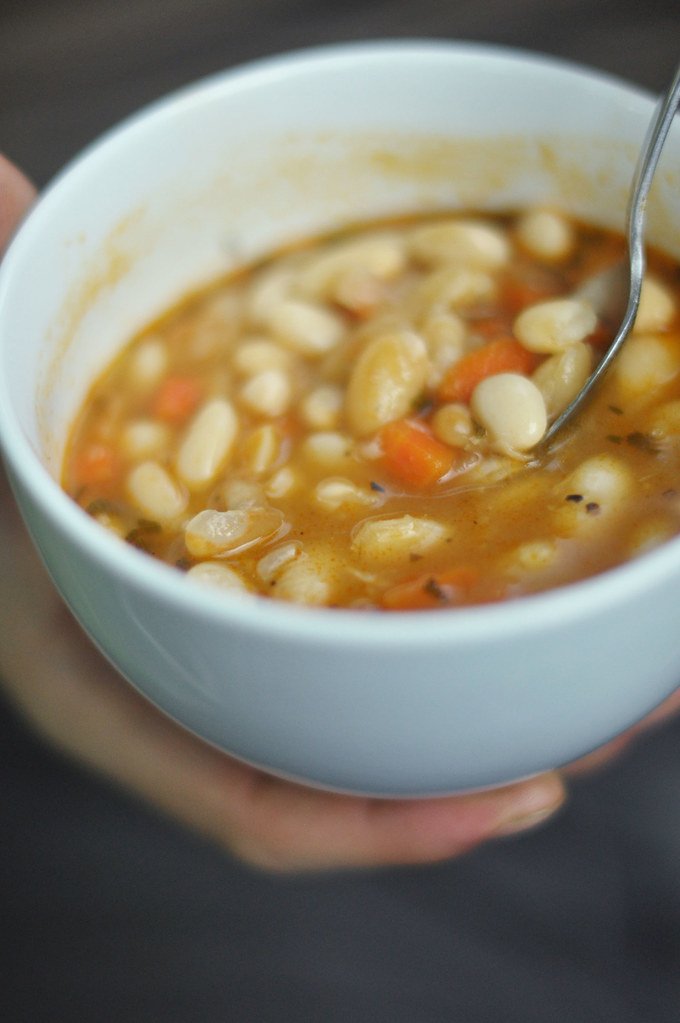
Every member of the allium family, whether raw, cooked, powdered, or dehydrated, can damage a cat’s red blood cells and lead to a dangerous form of anemia. This includes onion powder in baby food, garlic seasoning on leftovers, and broth made with these ingredients. Even small, repeated exposures can add up over time.
Xylitol
Xylitol is a sugar substitute found in sugar-free gum, some peanut butters, baked goods, and certain medications. While its most severe documented effects are in dogs, it’s still not a substance you want a cat ingesting, and product labels rarely distinguish species risk. Keep anything containing it well out of paw’s reach.
Alcohol
Cats are far more sensitive to alcohol than humans, and it takes very little to cause a problem. This includes obvious sources like beer, wine, and spirits, but also unbaked bread dough, which continues to ferment and produce alcohol (and expands) in the stomach. Symptoms can include disorientation, vomiting, breathing difficulty, and dangerously low blood sugar or body temperature.
Grapes and Raisins
While the toxic mechanism in grapes and raisins is still being studied and cats are diagnosed with this toxicity less often than dogs, veterinary toxicology sources continue to list them as a substance to keep away from cats due to the risk of kidney injury. It’s not worth testing whether your individual cat is one of the sensitive ones.
Caffeine
Coffee, tea, energy drinks, and even some sodas contain caffeine, which affects a cat’s heart and nervous system much like theobromine does. A curious lap at your coffee cup is unlikely to be catastrophic, but caffeine pills, used coffee grounds, and energy drinks pose a real risk.
Raw Yeast Dough
Beyond the alcohol issue mentioned above, raw dough containing yeast can expand inside a cat’s stomach, causing painful bloating and potentially a life-threatening obstruction.
Foods That Deserve Caution, Not Panic
Some foods aren’t outright toxic but aren’t good ideas either. Cow’s milk and dairy can cause digestive upset in cats who are lactose intolerant, which is most adult cats. Fatty table scraps can trigger pancreatitis. Bones, especially cooked ones, can splinter and cause choking or internal injury. None of these carry the same acute danger as the substances above, but they’re still worth keeping off your cat’s plate.
What To Do If Your Cat Eats Something Toxic
If you know or suspect your cat has eaten any of the foods above, don’t wait for symptoms and don’t attempt a home remedy like inducing vomiting yourself. Call your veterinarian or an animal poison control hotline immediately, and have the packaging or a description of the amount eaten ready to share. Quick action genuinely changes outcomes with toxic ingestions, and a phone call costs you nothing compared to the risk of waiting.
FAQ
How much chocolate is dangerous for a cat?
There’s no truly “safe” amount, and the risk scales with the darkness of the chocolate and the size of your cat. Any ingestion warrants a call to your vet or poison control rather than a wait-and-see approach.
Can a small taste of onion or garlic really hurt my cat?
Yes, and repeated small exposures, such as regularly sharing broth or seasoned leftovers, can accumulate and cause harm over time even if a single bite doesn’t cause visible symptoms.
Is tuna or fish safe for cats?
Plain, occasional fish isn’t in the same danger category as the foods above, but a diet heavy in tuna can lead to nutritional imbalances and mercury exposure over time. It’s a moderation issue, not a toxicity emergency.
Final Thoughts
Most feline food poisoning cases happen in ordinary kitchens, not from anything exotic. Keeping chocolate, alliums, xylitol-containing products, alcohol, and raw dough stored away is a simple habit that prevents most emergencies. If your cat does get into something on this list, treat it seriously and reach out to your vet or poison control right away rather than waiting to see what happens.