
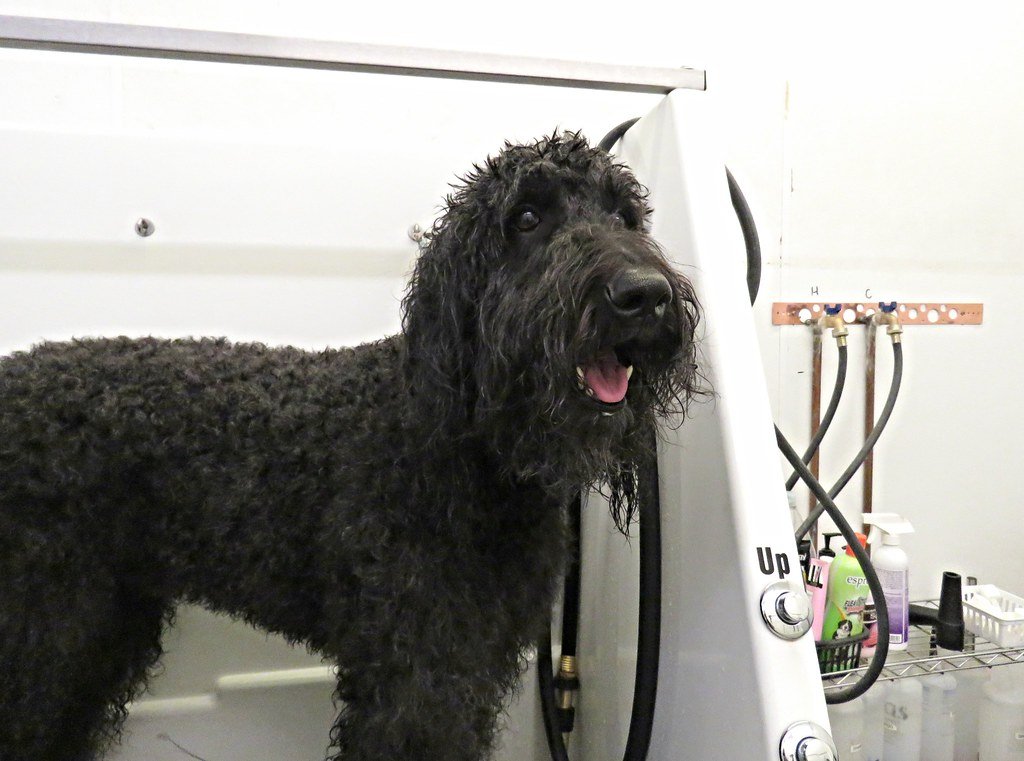
How often should you bathe a dog? The honest answer is: it depends on the dog, and there’s no single number that works for every breed and lifestyle. A short-haired dog that lives indoors and rarely gets muddy might only need a bath every couple of months. A double-coated dog who hikes through creeks every weekend might need one every couple of weeks. What matters more than any fixed schedule is understanding what a bath actually does to your dog’s skin and coat, so you can judge for yourself when it’s time.
The General Rule of Thumb
For most dogs with no skin conditions, bathing every 4 to 6 weeks is a reasonable default. This is frequent enough to manage odor and shedding without stripping the natural oils that keep skin and coat healthy. But this baseline shifts significantly based on a handful of factors.
What Actually Determines Bathing Frequency
Coat type
- Short, smooth coats (Labs, Beagles, Boxers) shed dirt easily and need less frequent bathing — often every 6-8 weeks is plenty.
- Double coats (Huskies, German Shepherds, Golden Retrievers) have a protective undercoat that can be disrupted by over-bathing. These dogs generally do best with baths every 6-8 weeks, paired with regular brushing to manage the undercoat between baths.
- Oily or water-repellent coats (some retrievers, certain terrier types) can get greasy faster and may need more frequent washing.
- Curly or wool coats (Poodles, Doodles) trap dirt and matting more easily and often benefit from bathing every 3-4 weeks, especially paired with professional grooming.
- Hairless breeds (Chinese Crested, Xoloitzcuintli) actually need more frequent bathing — often weekly — because their exposed skin produces oils that would normally be absorbed by fur.
Activity level and environment
A dog that swims, rolls in questionable things, or spends time in mud and dust needs baths on an as-needed basis regardless of coat type. There’s no fixed schedule that beats common sense here — if your dog smells or looks dirty, that’s your cue, not the calendar.
Skin conditions
Dogs with allergies, seborrhea, or other dermatological issues often need a completely different bathing routine, sometimes involving medicated shampoo multiple times a week as directed by a vet. This is one area where “more bathing” is actually part of the treatment plan rather than something to avoid — but it should be guided by a vet, since the wrong shampoo or frequency can make skin issues worse.
Signs You’re Bathing Too Often
- Dry, flaky skin
- A dull, brittle-looking coat
- Increased itching or scratching
- Skin that looks red or irritated after bathing
Over-bathing strips the natural oils (sebum) that protect skin and keep the coat water-resistant and shiny. Once stripped, skin can overcompensate by producing more oil, ironically leading to a greasier coat faster — the opposite of what most people are trying to achieve by bathing more.
Signs You’re Not Bathing Often Enough
- Persistent doggy odor even right after brushing
- Visibly dirty or greasy coat
- Flaky skin from a buildup of dirt and oil, not dryness
- Matting, especially in longer-coated breeds
Choosing the Right Shampoo
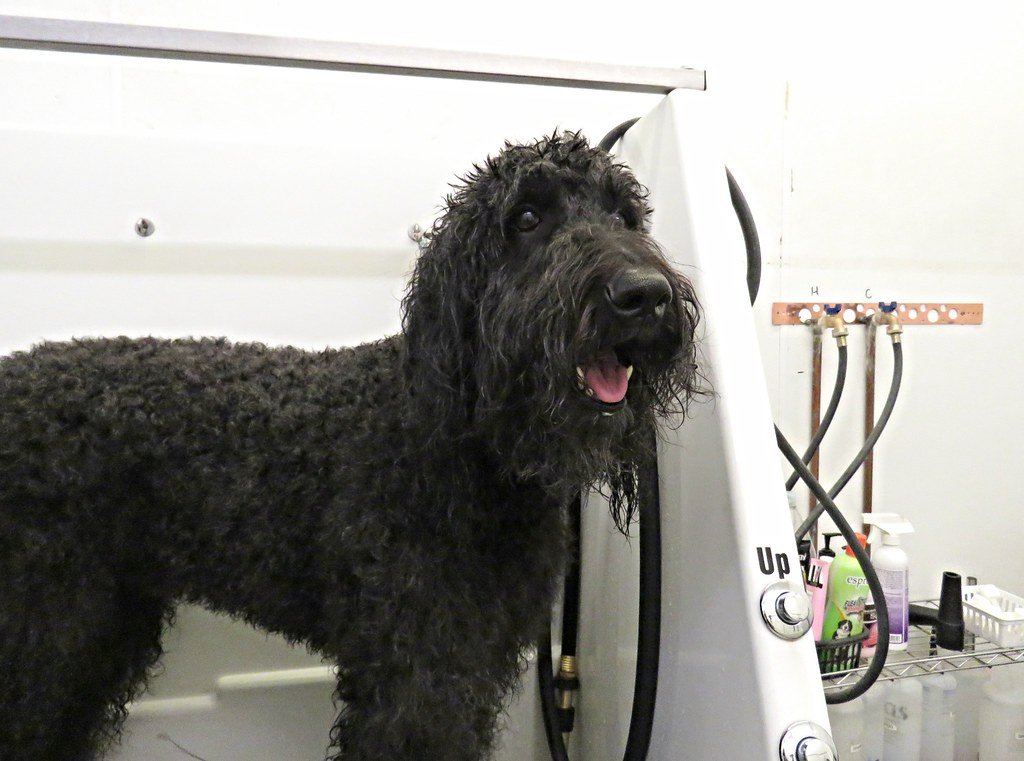
Human shampoo is not a substitute for dog shampoo — human skin has a different pH than canine skin, and human products can dry out and irritate a dog’s skin even with a single use. Look for a shampoo formulated specifically for dogs, and if your dog has sensitive skin or allergies, ask your vet for a specific recommendation rather than guessing from pet store shelf labels.
Puppies need extra care
Puppies under about 12 weeks generally shouldn’t be fully bathed unless necessary (like getting into something toxic or genuinely filthy), since they can’t regulate body temperature as well as adult dogs and are more vulnerable to getting chilled. When you do bathe a puppy, use lukewarm water, keep the room warm, and dry them thoroughly and quickly afterward.
Between-Bath Maintenance
Regular brushing does a lot of the work that people expect bathing to do — it removes loose hair and surface dirt, distributes natural oils through the coat, and reduces matting. A dog that’s brushed regularly often needs baths less frequently than one that isn’t, because brushing keeps the coat cleaner between washes.
Paw wipes or a quick rinse after muddy walks can also stretch out the time between full baths, especially for dogs who mainly get dirty from the ground up.
FAQ: Bathing Frequency
Can you bathe a dog too much?
Yes. Bathing more than once a week without a medical reason typically strips natural oils and can lead to dry, irritated skin. Exceptions apply for dogs on a vet-directed medicated bathing schedule.
Is it bad to bathe a dog once a week?
For most healthy dogs without skin conditions, weekly bathing is more frequent than necessary and can dry out skin over time. Some working or very active dogs may be the exception, but for the average pet dog, every 4-6 weeks is a better target.
Do indoor dogs need fewer baths?
Generally yes — indoor dogs are exposed to less dirt, mud, and outdoor allergens, so they typically need less frequent bathing than dogs who spend a lot of time outside.
Final Thoughts
There’s no universal answer to how often you should bathe a dog, but there is a reliable method: start around every 4-6 weeks, then adjust based on coat type, activity level, and how your dog’s skin actually responds. Watch for dryness or irritation as a sign to slow down, and persistent odor or dirt as a sign to speed up. If your dog has ongoing skin issues, loop in your vet — bathing frequency becomes part of a treatment plan rather than a grooming preference at that point.