You want to make sure your cat’s food stays fresh and safe, but how long can you actually leave it out before it goes bad? Leaving food out too long can harm your furry friend’s health, but throwing it away too soon wastes money.
Knowing the right timing helps you keep your cat happy and healthy without any guesswork. Keep reading to find out exactly how long you can leave different types of cat food out and learn simple tips to keep your pet’s meals fresh every time.

Credit: patifyapp.com
Cat Food Types
Cats eat different types of food. Each type has a different shelf life. Knowing how long cat food lasts helps keep your pet safe. It also prevents waste and saves money. Here is a look at common cat food types and how long you can leave them out.
Dry Food Shelf Life
Dry cat food is easy to store. It can last for weeks once opened. Keep it in a cool, dry place. After opening, it stays fresh for about 4 to 6 weeks. Leaving dry food out all day is usually safe. But it can lose crunch and flavor over time. Check for any signs of mold or bugs before feeding.
Wet Food Shelf Life
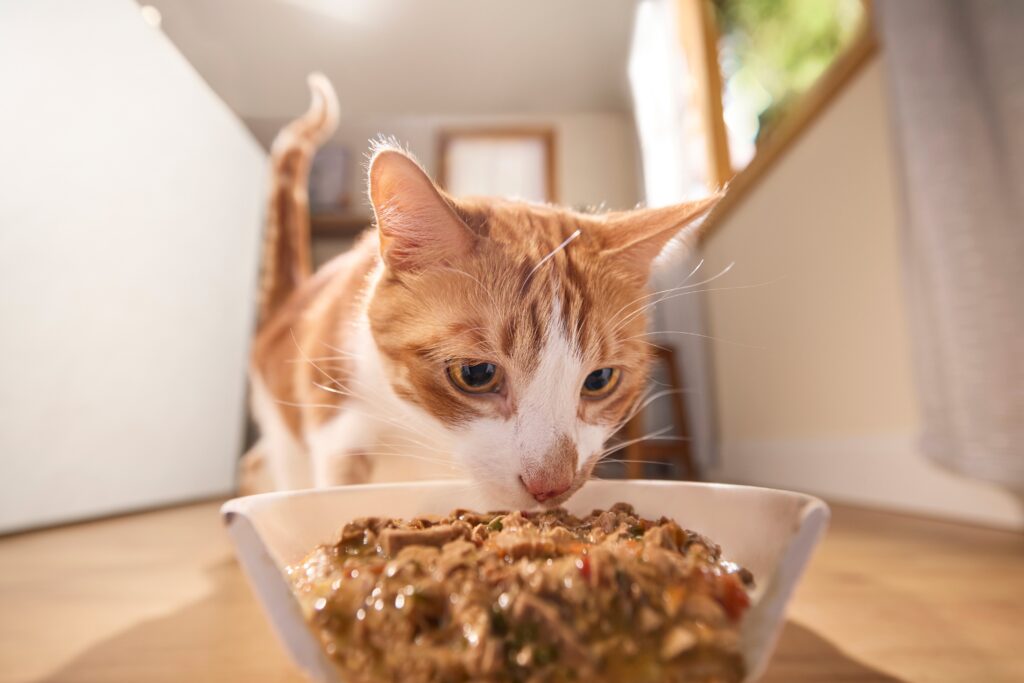
Wet cat food spoils faster than dry food. Once opened, it should not sit out for more than 2 hours. Warm temperature speeds up spoilage and bacterial growth. Uneaten wet food must be refrigerated promptly. Use leftovers within 24 hours for best quality. Always cover the container to keep it fresh.
Raw And Homemade Food
Raw and homemade cat food has the shortest shelf life. Bacteria grow quickly at room temperature. Do not leave raw food out for more than 1 hour. Refrigerate or freeze leftovers immediately. Use raw food within 24 hours if refrigerated. Homemade meals need careful handling to avoid illness.
Credit: www.chewy.com
Factors Affecting Freshness
Knowing how long cat food stays fresh depends on several key factors. These affect how quickly the food spoils or loses nutrients. Understanding these helps keep your cat’s food safe and tasty.
Temperature Impact
Heat speeds up food spoilage. Warm rooms make bacteria grow fast. Cold places slow down bacteria. Dry kibble left in hot spots goes stale quickly. Wet food spoils even faster at room temperature. Always keep food in a cool spot.
Humidity And Storage
Moisture harms dry cat food. High humidity makes kibble soft and moldy. Wet food stored in opened cans can attract bacteria. Use airtight containers to block moisture. Storing food in dry places keeps it fresh longer.
Exposure To Air And Light
Air causes oxidation, making food go bad. Light breaks down vitamins and fats. Leaving food open exposes it to both. Seal containers tightly after use. Keep food in dark cupboards or opaque containers.
Safe Time Limits
Knowing how long cat food stays safe outside helps protect your pet’s health. Different types of food spoil at different speeds. Leaving food out too long can cause bacteria to grow. This can make your cat sick. Follow safe time limits to keep your cat safe and happy.
Dry Food Time Frames
Dry cat food can sit out longer than wet food. It stays good for up to 24 hours. After this, the food may lose freshness and taste. Keep it covered to avoid dirt and bugs. Replace old food daily for the best quality.
Wet Food Time Frames
Wet cat food spoils faster than dry food. It should be eaten within 1 to 2 hours. If left out longer, bacteria can grow quickly. Throw away any uneaten wet food after this time. Store opened cans in the fridge and use within 24 hours.
Raw Food Time Frames
Raw cat food is the most perishable type. It should not stay out more than 1 hour. Bacteria grow fast in raw meat at room temperature. Always refrigerate raw food right after serving. Use it quickly to keep your cat safe.
Signs Food Has Gone Bad
Knowing the signs that cat food has gone bad helps keep your pet safe. Spoiled food can cause stomach problems or worse. Cats cannot always tell you when food is bad. You must watch for clear signs before feeding your cat.
Smell And Appearance
Bad cat food often smells sour or rancid. Fresh food has a mild, meaty scent. Look for any color changes like dark spots or mold. Wet food that looks slimy or dry food that feels damp may be spoiled. Always trust your nose and eyes first.
Texture Changes
Fresh cat food usually has a firm or soft texture, depending on type. Spoiled food can become mushy, sticky, or dry and crumbly. Canned food may separate or become watery on top. If the texture feels strange, do not feed it to your cat.
Behavioral Clues In Cats
Cats often refuse food that tastes or smells bad. They may sniff and walk away or paw at the dish. Some cats show signs of nausea after eating spoiled food. Watch for drooling, vomiting, or diarrhea after meals. These signs mean the food might be unsafe.
Storage Tips To Extend Freshness
Keeping cat food fresh helps your cat enjoy every meal safely. Proper storage slows spoilage and keeps nutrients intact. Simple steps can make a big difference in food quality. Follow these tips to keep food fresh longer and reduce waste.
Ideal Containers
Use airtight containers to store dry cat food. Containers block air, moisture, and bugs. Plastic or glass with tight lids works best. Avoid leaving food in original bags without sealing. Resealable bags help but not as much as containers.
Temperature Control
Store cat food in a cool, dry place. Heat speeds up spoilage and fat breakdown. Avoid spots near ovens or windows. Keep food away from direct sunlight. Room temperature around 70°F is ideal for dry food.
Portioning And Serving Practices
Serve small amounts of food at a time. Remove uneaten wet food after two hours. Dry food can stay out longer but check for freshness. Use clean bowls to avoid bacteria build-up. Portion control helps keep food fresh and safe.
Health Risks Of Spoiled Food
Leaving cat food out for too long can cause it to spoil. Spoiled food grows bacteria and mold. These can harm your cat’s health quickly.
Eating bad food can lead to serious health problems. Cats are more sensitive to spoiled food than humans. Knowing the risks helps you protect your pet.
Common Illnesses
Spoiled cat food can cause stomach upset and diarrhea. Your cat may also develop vomiting or lethargy. Some bacteria can cause infections in the intestines. These illnesses make your cat feel weak and sick fast.
Food Poisoning Symptoms
Watch for signs like vomiting, diarrhea, and loss of appetite. Your cat may also have drooling or stomach pain. Weakness and dehydration are serious symptoms. These signs show your cat needs help quickly.
When To See A Vet
Take your cat to the vet if symptoms last more than a day. Immediate care is needed for vomiting or diarrhea with blood. If your cat stops eating or drinking, call the vet. Early treatment can prevent serious health problems.
Best Practices For Feeding
Feeding your cat properly helps keep them healthy and happy. Following best practices ensures food stays fresh and safe. It also helps control your cat’s weight and energy levels.
Here are key tips to feed your cat the right way.
Meal Scheduling
Feed your cat at the same times every day. Cats like routine and feel secure with regular meals. Two to three small meals daily work well for most cats. Avoid leaving dry food out all day. It can lose freshness and attract bacteria.
Monitoring Food Intake
Watch how much your cat eats each meal. This helps spot changes in appetite early. Changes can mean health issues or stress. Remove leftover wet food after 20-30 minutes. Wet food spoils quickly at room temperature.
Adjusting Portions
Adjust meal sizes based on your cat’s activity and weight. Overfeeding causes obesity and health problems. Underfeeding leads to low energy and poor health. Check your cat’s body condition regularly. Consult your vet for portion advice.

Credit: cats.com
Frequently Asked Questions
How Long Can Dry Cat Food Stay Out Safely?
Dry cat food can stay out for up to 24 hours. After this, moisture and bacteria may develop, risking spoilage. Always discard any leftovers beyond this time to keep your cat healthy and avoid foodborne illnesses.
How Quickly Does Wet Cat Food Spoil Outside?
Wet cat food spoils quickly, usually within 1-2 hours at room temperature. Bacteria grow rapidly, making it unsafe for cats after this period. Refrigerate leftovers immediately and discard any uneaten wet food left out longer than two hours.
Can Leaving Cat Food Out Cause Health Issues?
Yes, leaving cat food out too long can cause health problems. Spoiled food may contain harmful bacteria, leading to digestive upset or infections. Always monitor feeding times and store food properly to ensure your cat’s safety.
Does Temperature Affect How Long Cat Food Lasts?
Temperature greatly affects cat food shelf life. Warmer temperatures speed up spoilage, especially for wet food. Keep food in a cool, dry place and refrigerate leftovers promptly to maintain freshness and safety for your cat.
Conclusion
Cat food does not stay fresh for long outside its container. Wet food should be removed after two hours to avoid spoilage. Dry food can last longer but still loses quality after a day. Always check the smell and texture before feeding your cat.
Fresh food helps keep your pet healthy and happy. Store extra food in a cool, dry place. Clean your cat’s bowl regularly to prevent bacteria build-up. Remember, safe feeding habits protect your cat from illness. Taking small steps keeps your cat’s meals fresh and tasty.