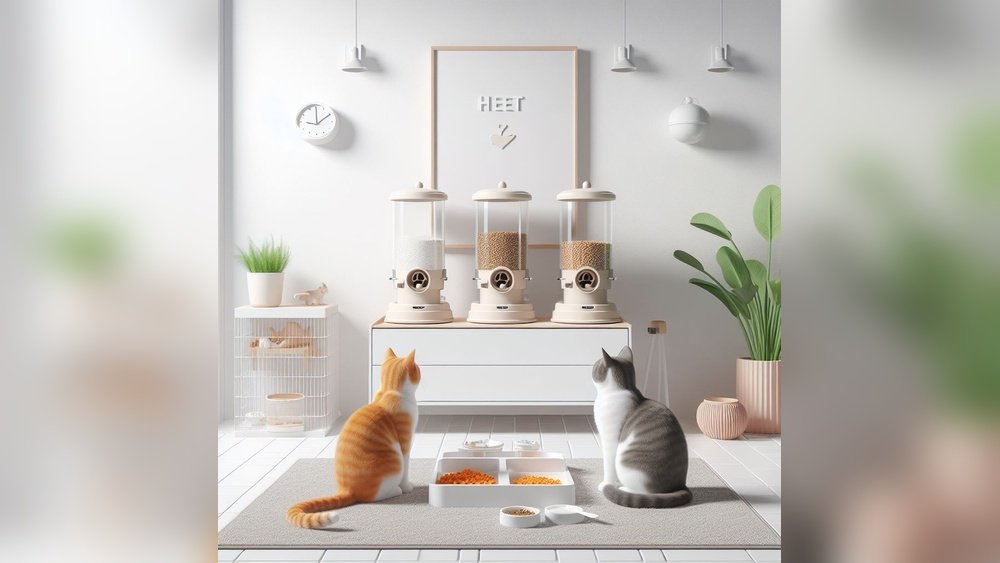

Pet-proofing your home is one of those projects that feels daunting until you break it into pieces. Dogs and cats experience your house completely differently than you do — a cabinet is a puzzle to open, a dangling cord is a toy, a small gap behind the fridge is a hiding spot they can get stuck in. Going room by room makes the job manageable and helps you catch the hazards that are easy to overlook when you just glance around a space you’re used to.
Kitchen
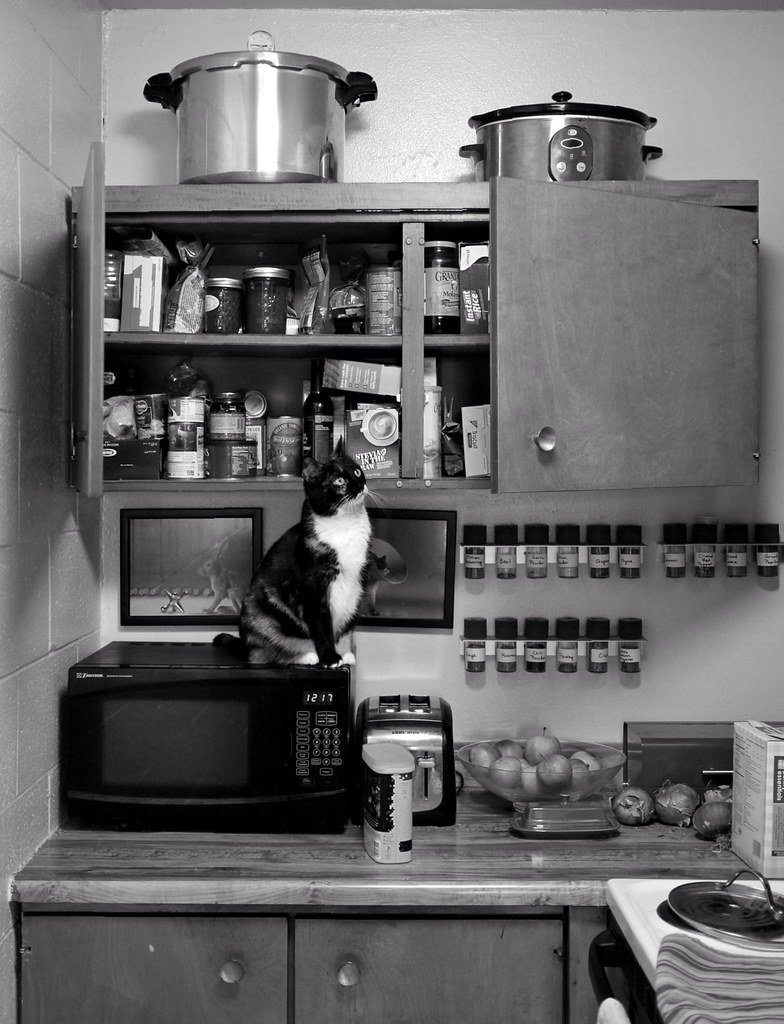
The kitchen is ground zero for most pet emergencies, mainly because it combines food, trash, and cords in one place. Start with the basics: install child-proof latches on any low cabinet that holds cleaning products, and move anything containing xylitol, chocolate, onions, or garlic to a shelf your pet can’t reach even if a door is left ajar. A covered trash can with a locking lid solves a surprising number of problems on its own, since food wrappers and bones are common sources of digestive blockages and cuts.
Stove knobs are worth a second look too — some dogs and cats can bump or paw them enough to turn on a burner. Silicone knob covers are inexpensive and remove that risk entirely. Finally, tuck away dish towels, sponges soaked in cleaner, and any dangling appliance cords, since chewing through a live cord is a genuine electrocution risk.
Living Room
Living rooms tend to have the most “attractive nuisances” for pets: remote controls, phone chargers, houseplants, and candles. Bundle or hide loose cords with cord protectors or cable clips, since chewed charging cables are both a shock hazard and one of the more common vet visits for puppies and kittens working through a teething phase. If you keep houseplants, double-check them against a list of pet-toxic species — lilies, sago palm, and pothos are common living-room plants that carry real risk for cats and dogs alike.
Bookshelves and entertainment centers should be anchored to the wall if you have a cat that climbs or a dog that’s a determined jumper, since a toppling shelf is a hazard for both the pet and anyone nearby. Keep small decorative items like potpourri, coins, and button batteries off low tables; batteries in particular can cause severe chemical burns if chewed.
Bedroom
Bedrooms often hide medication on nightstands, which is one of the most common sources of accidental poisoning in pets. Store all pills, supplements, and creams in a closed drawer rather than an open dish, even ones that seem harmless to you — many human medications, including common pain relievers, are dangerous for dogs and cats in doses that seem trivially small to us. Check under the bed for lost socks, hair ties, and small items that a curious cat or puppy might swallow, since string-like objects are a particular surgical risk for cats.
Bathroom
Close the toilet lid, both to keep curious drinkers away from cleaning chemicals used in bowl tablets and to prevent small pets from falling in. Store medications, razors, and cleaning products in a cabinet with a latch rather than an open shelf. Essential oil diffusers are worth a specific mention here: several essential oils are toxic to cats, whose livers process them poorly, so keep diffusers in rooms your cat can’t enter or skip them altogether if you have a multi-pet household.
Laundry Room and Garage
Laundry rooms and garages tend to hold some of the most dangerous substances in the house: antifreeze, fabric softener sheets, detergent pods, fertilizer, and rodent bait. Antifreeze deserves special mention because it has a sweet taste that attracts pets, yet even small amounts can cause fatal kidney failure. Store all of these on high shelves in sealed containers, and clean up any spills or drips immediately, checking your garage floor periodically for antifreeze puddles from your own car or a neighbor’s.
Outdoor Spaces
Fencing gaps, gaps under gates, and loose latches are the most common ways pets escape a yard, so a walk around the perimeter checking for weak points is worth doing seasonally. Check your yard for toxic plants and mulch made from cocoa shells, which contains the same toxic compounds as chocolate. If you use lawn chemicals or pest control products, follow the label’s re-entry time before letting pets back onto treated grass.
General Habits That Make a Difference
- Get down to your pet’s eye level occasionally to spot hazards you’d otherwise miss from standing height.
- Do a fresh pet-proofing pass whenever you bring home a new pet, since a calm senior dog and a bouncy new puppy have very different risk profiles.
- Keep your vet’s number and an animal poison control number saved in your phone, not just written down somewhere.
- Re-check your pet-proofing after any household changes, like new furniture, holiday decorations, or a house guest’s medication bag left on the counter.
FAQ
How often should I re-check my home for pet hazards?
A full walkthrough once or twice a year is reasonable for a stable household, but any time you get a new pet, rearrange furniture, or bring in seasonal decorations, it’s worth a quick fresh look through that room again.
What’s the single most overlooked pet hazard in most homes?
Medications left on nightstands or in purses are consistently one of the most common causes of accidental pet poisoning, precisely because they don’t look like a “hazard” the way a cleaning product does.
Final Thoughts
Pet-proofing your home isn’t a one-time checklist you finish and forget — it’s an ongoing habit of looking at your space through your pet’s eyes. Working through it room by room, rather than trying to fix everything at once, makes it far more likely you’ll actually catch the hazards that matter before they cause a problem.