
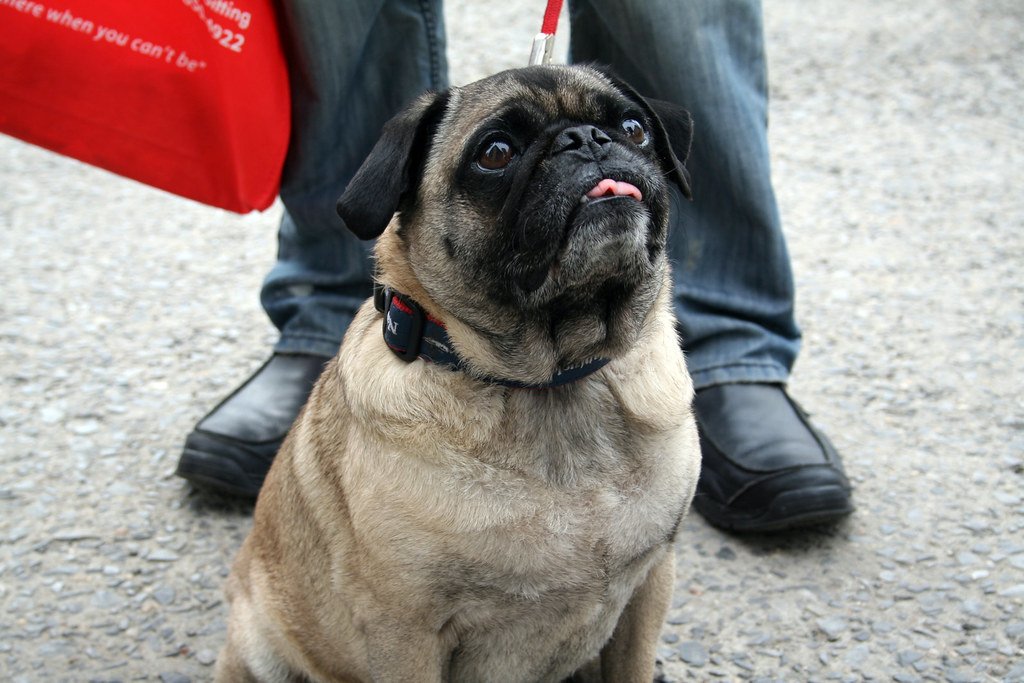
Caring for a senior dog is a different job than caring for the dog you brought home years ago. The joints creak more, the naps get longer, and the routines that worked for a decade suddenly need rethinking. Most dogs are considered seniors somewhere between 7 and 10 years old, though this varies a lot by breed and size — giant breeds like Great Danes are often “senior” by 6, while small breeds like Chihuahuas may not hit that stage until 10 or later. Knowing what’s normal aging versus what’s a sign of a problem is the difference between a comfortable old age for your dog and a lot of missed opportunities to help.
How Aging Actually Changes Your Dog
Aging isn’t one single thing — it’s a collection of slow changes happening at once. Joints lose cartilage and become arthritic. Muscle mass shrinks, even in dogs who haven’t changed their activity level. Senses dull: vision and hearing both decline gradually, and many owners don’t notice until the dog stops responding to a call from another room. Internally, organs like the kidneys, liver, and heart become less efficient at compensating for stress, which is part of why anesthesia and illness carry more risk in older dogs.
None of this means your dog’s quality of life has to decline. It means the margin for error gets smaller, and small adjustments matter more than they used to.
Diet Adjustments for Older Dogs
Senior dogs typically need fewer calories because they’re less active and have less muscle to maintain, but they often need more of certain nutrients — particularly protein, which helps offset natural muscle loss (sarcopenia). This is a shift from older advice that told owners to cut protein for aging dogs; unless your vet has diagnosed kidney disease, restricting protein isn’t usually the right call.
- Watch body condition, not just the scale. Feel for ribs under a light layer of fat. Weight gain strains arthritic joints; weight loss can mask muscle wasting or underlying illness.
- Consider joint-support ingredients. Glucosamine, chondroitin, and omega-3 fatty acids show up in many senior formulas and joint supplements, with reasonable evidence for reducing arthritis discomfort over time.
- Ask about therapeutic diets. If your dog develops kidney disease, heart disease, or other age-related conditions, a prescription diet may become part of the treatment plan — this is a conversation for your vet, not a guess.
Exercise: Less Volume, More Consistency
Senior dogs still need movement — it’s one of the best things you can do for arthritic joints and mental health — but the type of exercise should shift. Long, high-impact runs give way to shorter, more frequent walks. Swimming is excellent for older dogs because it builds and maintains muscle without loading painful joints. Watch for signs your dog is overdoing it: excessive panting, limping that shows up after activity rather than during it, or reluctance to get up the next morning.
Skipping exercise entirely because a dog seems slower is usually the wrong move. Muscle loss accelerates disuse, which then makes joints even less stable. Gentle, regular movement protects the muscle that’s cushioning those joints.
Vet Visits Should Double in Frequency
Most healthy adult dogs do fine with an annual checkup. Senior dogs benefit from visits every six months, because conditions like kidney disease, dental disease, and early tumors progress faster in older bodies and are much easier to manage when caught early. Routine senior bloodwork (a complete blood count and chemistry panel) can flag organ function changes well before visible symptoms appear.
Bring a list of anything that’s changed since the last visit — drinking more water, sleeping more, new lumps, changes in appetite, stiffness. These small notes often connect the dots for your vet faster than you’d expect.

Managing Arthritis and Mobility Issues
Arthritis is extremely common in senior dogs and often under-recognized because dogs are good at hiding pain. Signs include slower to rise, reluctance to jump onto furniture or into the car, stiffness that improves as they warm up, and general slowing down that owners sometimes write off as “just getting old.”
Simple home adjustments that help
- Non-slip rugs or runners on hardwood and tile floors, where dogs with weak hips often struggle for traction.
- Ramps or steps for the car and any furniture they still want to access.
- Raised food and water bowls if neck or shoulder stiffness makes bending down uncomfortable.
- A supportive orthopedic bed — thin or worn-out bedding does older joints no favors.
If mobility issues are significant, ask your vet about pain management options. There are effective prescription medications for canine arthritis, and untreated chronic pain has real effects on mood, appetite, and overall wellbeing.
Cognitive Changes: When to Worry
Some senior dogs develop canine cognitive dysfunction, sometimes described as doggy dementia. Signs include disorientation (getting “stuck” in corners), disrupted sleep-wake cycles, house-training accidents in a previously reliable dog, and reduced interest in interaction. This is a medical condition with management options, not something to simply accept as inevitable — talk to your vet if you notice these signs.
FAQ: Senior Dog Care
At what age is a dog considered a senior?
It depends heavily on size. Small breeds are often considered senior around 10-12 years, medium breeds around 8-10, and large or giant breeds as early as 6-7. Your vet can give you a more precise estimate based on your dog’s breed and health history.
Should I change my senior dog’s food even if they seem healthy?
Not necessarily immediately, but it’s worth a conversation at your next vet visit. Many dogs do fine on a well-formulated adult diet well into their senior years; others benefit from a senior-specific formula. Bloodwork can help guide this decision rather than guessing.
Is it normal for a senior dog to sleep most of the day?
Some increase in sleep is normal, but a sudden or dramatic change in sleep patterns, especially paired with other symptoms like appetite changes or lethargy, warrants a vet visit rather than an assumption that it’s “just age.”
Final Thoughts
Caring for a senior dog is really about paying closer attention, not doing more of everything. Watch body condition, keep movement consistent but gentler, double up on vet visits, and treat behavior changes as information rather than inevitabilities. The dogs who age most comfortably usually have owners who caught the small stuff early — and that’s well within reach for anyone willing to look a little closer.