
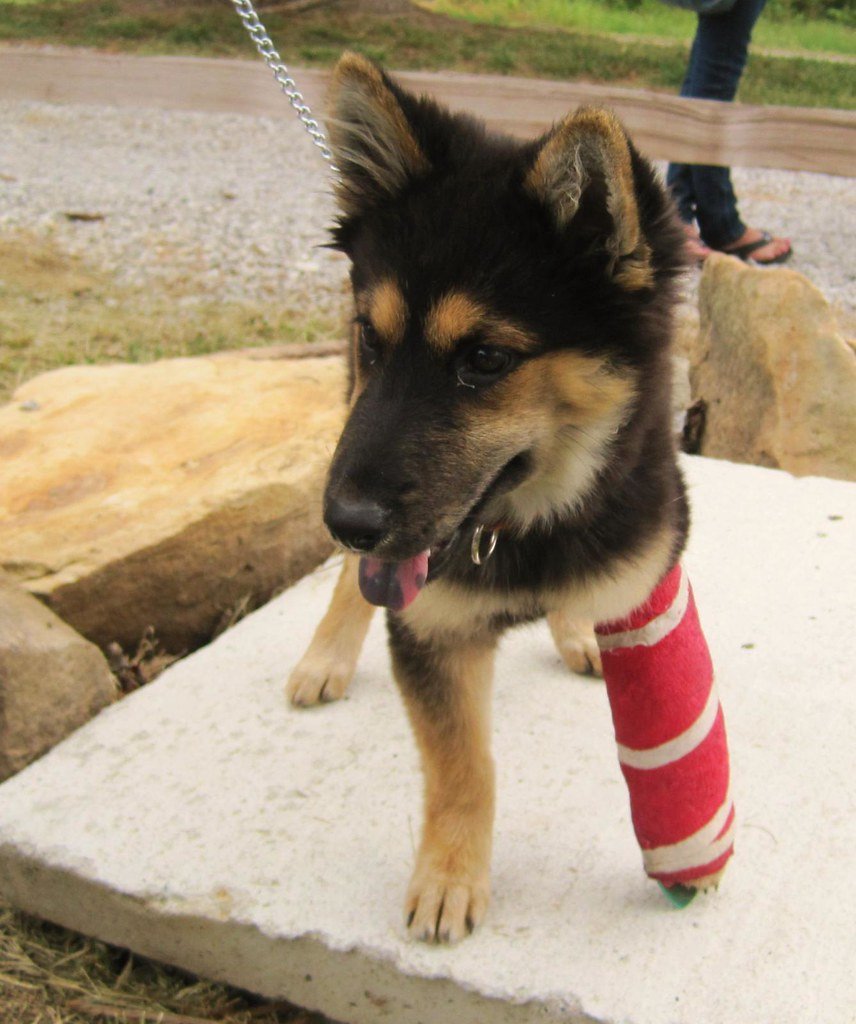
Adopting a shelter dog is one of the best decisions you can make, but it doesn’t come with the instant, tail-wagging bond you might picture on the drive home. Most shelter dogs arrive stressed, confused, and unsure whether this new place is temporary or permanent. Knowing what to expect in the first days and weeks makes the transition easier for both of you — and helps you tell the difference between normal adjustment behavior and something that needs professional help.
Before You Bring Your Shelter Dog Home
Have the basics ready before pickup day:
- A properly fitted collar or harness with ID tags and a secure leash — many shelter dogs slip out of loose collars during the stress of a new environment
- Food matching what the shelter was feeding, to avoid a sudden diet change on top of everything else
- A crate or a designated quiet space that’s entirely the dog’s own
- A bed, a couple of chew toys, and water and food bowls
- A vet appointment scheduled within the first week or two
- Any adoption paperwork and medical records from the shelter
The 3-3-3 Rule for Adopting a Shelter Dog
Shelter and rescue workers often describe the adjustment timeline using the 3-3-3 rule, and it’s a genuinely useful way to set expectations.
The first 3 days
Your dog is overwhelmed. This is a brand new environment with new smells, sounds, and people, and many dogs shut down emotionally during this window. Expect a dog that’s not eating much, hides, sleeps a lot, or seems unusually quiet and cautious. This isn’t the “real” personality yet — it’s a nervous system still in survival mode.
The first 3 weeks
Your dog starts to settle in, learn the household routine, and test boundaries a little. This is when you’ll start to see more of their actual personality, along with some behavioral quirks — maybe some resource guarding around food, mild separation anxiety, or selective house-training accidents as they learn the new setup.
The first 3 months
Full trust develops. By this point, most dogs feel secure enough to show their true personality and bond fully with their new family. Training and routine established during the first weeks really pay off here.
What’s Normal Behavior in the First Days
- Not eating much, or at all, for the first day or two
- Excessive sleeping — decompressing from shelter stress is exhausting
- Hiding or seeking out a small, enclosed space
- Cautious or nervous body language around new people and sounds
- House-training accidents even in dogs who were previously house-trained, since the whole routine is new
- Mild digestive upset from the stress and diet change

Behaviors That Need Attention
- Refusing food entirely for more than 48 hours
- Growling, snapping, or freezing when approached near food, toys, or resting spots — this needs a professional trainer’s input, not punishment
- Persistent, severe destructive behavior tied to being left alone, which may indicate separation anxiety
- Ongoing vomiting or diarrhea beyond the first couple of days
- Extreme fearfulness that doesn’t gradually ease over the first few weeks
None of these mean you made a mistake adopting this dog. They mean your dog needs more structured support, often from a certified trainer or behaviorist experienced with shelter dogs.
Settling-In Tips
Give them a decompression period
Skip the dog park, the big backyard party, and the meet-the-neighbors tour for at least the first couple of weeks. Let your dog get comfortable with your household and routine before adding more stimulation.
Keep the routine predictable
Consistent feeding times, walk times, and a consistent place to sleep help an anxious dog learn what to expect, which builds trust faster than almost anything else you can do.
Go slow with other pets and kids
Introduce resident pets gradually and always supervised. With kids, teach them to let the dog approach first and to avoid hugging or looming over a dog that’s still learning to trust them.
Don’t take rejection personally
A dog that avoids eye contact, doesn’t want to cuddle right away, or seems indifferent to you isn’t rejecting you forever. Many shelter dogs need weeks before they’re comfortable enough to show affection.
FAQ: Adopting a Shelter Dog
How long does it take a shelter dog to adjust to a new home?
Most shelter dogs need about three months to fully settle in and show their true personality, following the general 3-3-3 pattern, though many start feeling noticeably more comfortable within the first few weeks.
Is it normal for a shelter dog not to eat right away?
Yes, a reduced appetite for the first day or two is common due to stress. If your dog refuses food entirely for more than 48 hours, contact your vet.
Should I take my newly adopted dog to the dog park right away?
No. Wait at least a few weeks until your dog has settled into your household routine and you have a better sense of their temperament around other dogs before introducing the added stimulation of a dog park.
What if my adopted dog seems aggressive?
Growling or snapping in the first days is often fear-based, not true aggression, but it should be taken seriously. Consult a certified professional trainer or veterinary behaviorist rather than trying to correct it yourself, especially if it involves food, toys, or resting spaces.
Final Thoughts
Adopting a shelter dog means welcoming an animal who’s been through more upheaval than you’ll ever fully know, and the payoff for patience is enormous. The quiet, cautious dog you bring home in week one is rarely the dog you’ll have in month three. Give them a predictable routine, resist rushing the introductions, and expect the real bond to build gradually rather than instantly. Most adopters will tell you the wait was worth it.