
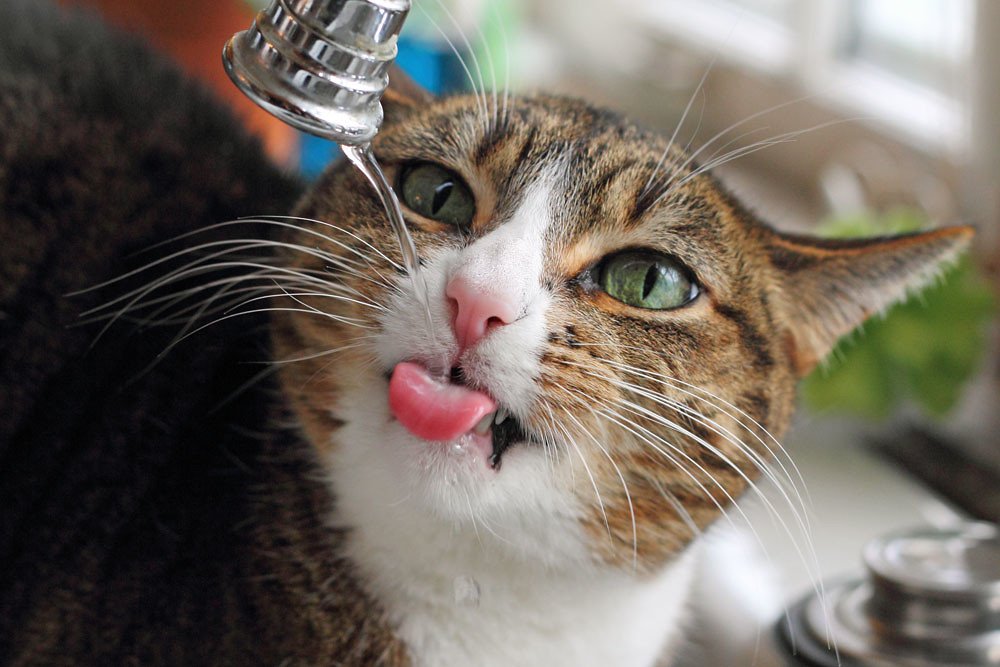
Understanding feline diabetes usually starts with a handful of small changes that are easy to miss at first: your cat is drinking more, using the litter box more often, or losing weight even though it seems to be eating just as much as always. These signs can creep in gradually, which is part of why feline diabetes often isn’t caught until it’s more advanced. Knowing what to watch for can make a real difference in how early your cat gets diagnosed and started on management.
What Is Feline Diabetes?
Diabetes in cats develops when the body either doesn’t produce enough insulin or can’t use it effectively, leading to unusually high blood sugar levels. Over time, this affects nearly every system in the body if left unmanaged. Certain factors are associated with a higher likelihood of a cat developing diabetes, including being overweight, getting older, and general lifestyle factors, but any cat can potentially develop it. This is a condition your vet diagnoses and manages directly. It is not something to try to identify or address on your own based on symptoms alone.
Common Signs of Feline Diabetes
Because early symptoms can look like normal aging or minor behavior shifts, it helps to know the pattern to watch for:
- Increased thirst and more frequent drinking
- Increased urination, or noticeably larger clumps in the litter box
- Weight loss despite a normal or increased appetite
- Increased hunger or begging for food more than usual
- Lethargy or reduced interest in play and activity
- A change in gait, such as walking flat on the back legs (a sign that should prompt an urgent vet visit)
- Poor coat condition or unkempt appearance
Any one of these on its own might not mean much, but the combination of increased thirst, increased urination, and weight loss together is a classic pattern that should prompt a vet visit without delay. If you notice your cat’s back legs looking weak or if it starts walking with its hocks touching the ground, treat that as urgent, as it can signal a more advanced stage of the condition.
How Vets Diagnose Feline Diabetes
Diagnosis typically involves blood and urine testing to check glucose levels, since a single high reading isn’t always conclusive on its own. Cats can experience temporary spikes in blood sugar from stress, including the stress of a vet visit itself, so your vet may want to look at additional markers or repeat testing to get a clear, accurate picture before confirming a diagnosis.
Because symptoms of diabetes can overlap with other conditions, including kidney disease and hyperthyroidism, your vet will likely also run broader bloodwork to rule out other causes and check your cat’s overall organ function. This is important context for management going forward, since some of these conditions can coexist.
Managing Feline Diabetes
Management plans are individualized and only your veterinarian can determine what’s right for your specific cat. That said, most management approaches for feline diabetes tend to involve a combination of the following, always under a vet’s direction:
- Insulin therapy, with dosing and schedule determined entirely by your vet
- Regular monitoring of blood glucose, sometimes at home using a method your vet trains you on
- Dietary adjustments, often involving prescription or vet-recommended food formulated to support blood sugar regulation
- Weight management if your cat is overweight
- Routine follow-up visits to adjust the treatment plan as needed
Some cats can achieve what’s sometimes called diabetic remission, where their blood sugar regulation improves enough that insulin therapy may be reduced or, in some cases, no longer needed. Whether this is possible, and how it’s approached, is entirely a conversation to have with your vet. It depends heavily on how early the condition was caught and how consistently it’s managed, among other individual factors.
Living With a Diabetic Cat
A diabetes diagnosis can feel overwhelming at first, especially if insulin injections are part of the plan. Most owners find that it becomes routine faster than expected, and cats generally tolerate the process better than people anticipate. Consistency is usually key. Feeding schedules, insulin timing, and monitoring routines tend to work best when kept as regular as possible, since blood sugar management depends on predictability.
Watch for signs of low blood sugar as well, such as weakness, wobbliness, or disorientation, and have a plan from your vet for what to do if this happens. This is a genuine emergency and having clear instructions ahead of time is far better than trying to figure it out in the moment.
FAQ: Feline Diabetes
Can feline diabetes be cured?
Some cats reach a state where insulin is no longer needed, often referred to as remission, but this isn’t guaranteed and depends on individual factors your vet can assess. It’s best understood as a possibility to discuss with your vet rather than an expected outcome.
Is feline diabetes linked to weight?
Being overweight is one of several factors associated with a higher likelihood of developing diabetes in cats, though it’s not the only one. Maintaining a healthy weight is generally considered a supportive habit for overall feline health.
How quickly do symptoms of feline diabetes appear?
Symptoms often develop gradually over weeks, which is why they can be easy to miss at first. Regular vet checkups help catch changes earlier, especially in middle-aged and senior cats.
What should I do if my cat seems disoriented after an insulin dose?
Treat this as an emergency and contact your vet or an emergency animal hospital immediately. Your vet should give you specific guidance ahead of time for what to watch for and how to respond.
Final Thoughts
Understanding feline diabetes means learning to recognize the early pattern of increased thirst, increased urination, and unexplained weight loss, and taking it seriously enough to get your cat tested. This article is meant to help you spot the warning signs sooner, not to diagnose or manage the condition yourself. Diagnosis, insulin dosing, and ongoing management all need to come from your veterinarian, so if something feels off with your cat, don’t wait for the full picture to appear before making an appointment.