
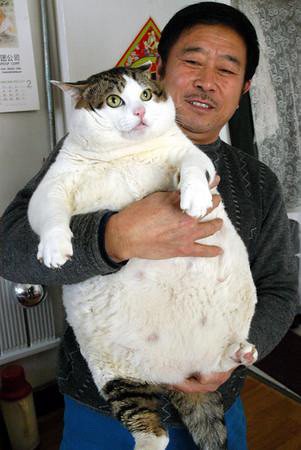
An overweight cat can look almost endearing, all round and settled, but weight management for overweight cats is one of those areas where appearances are genuinely misleading. Excess weight in cats carries specific risks that are different from dogs, including a serious liver condition that can develop if a heavy cat stops eating suddenly, even for a day or two. Understanding how to approach weight loss safely matters as much as recognizing that your cat needs it.
How to Tell If Your Cat Is Overweight
Because cats come in such a range of frames and coat lengths, weight can be harder to judge visually than with dogs. A few checks you can do at home:
- Ribs: You should be able to feel individual ribs with light pressure, not just a solid pad of fat
- Waist: Viewed from above, there should be a visible narrowing behind the ribs
- Belly: A small, minimal fat pad is normal, but a low-hanging, rounded belly is generally a sign of excess weight
- Ease of movement: An overweight cat may seem reluctant to jump, groom certain areas, or play the way it used to
Your vet can assess your cat’s actual body condition score and help you understand what a healthy weight looks like specifically for your cat’s frame, since “overweight” looks different on a small-boned cat than a naturally large-framed one.
Why Weight Matters So Much for Cats
Excess weight in cats is associated with a higher likelihood of several health issues, including joint strain, difficulty grooming (which can lead to matting and skin problems), and a greater burden on mobility and overall activity level. Diabetes risk is also higher in overweight cats, which is one of the more well-established connections between feline weight and long-term health.
One risk specific to cats deserves particular attention: if an overweight cat stops eating or eats significantly less for even a short period, whether from stress, illness, or an abrupt diet change, it can trigger a serious and potentially life-threatening liver condition. This is exactly why crash diets or sudden food restriction are not safe for cats and should never be attempted without direct veterinary guidance and monitoring.
Why You Need a Vet-Guided Plan
Cat weight loss has to be gradual and carefully managed, which is different from how weight loss is sometimes approached with dogs. A vet-guided plan typically accounts for:
- A safe, gradual rate of weight loss appropriate to your cat’s current weight and health status
- Ruling out underlying medical conditions that could be contributing to weight gain
- A feeding strategy that ensures your cat keeps eating consistently throughout the process
- Monitoring for any signs that your cat is eating less than expected during the transition to a new routine
Never withhold food from an overweight cat or put it on a restrictive diet without your vet’s direct involvement. What looks like a reasonable calorie cut on paper can be genuinely risky for a cat if not managed properly.
Practical Steps for Cat Weight Loss
Measure Every Meal
Free-feeding, or “topping off” a bowl throughout the day, makes it nearly impossible to know how much your cat is actually eating. Measured, scheduled meals give you and your vet a clear baseline to adjust from.
Reassess Treats
Treats, including people food, can make up a surprisingly large share of a cat’s daily calories relative to its small size. Ask your vet about appropriate treat amounts and lower-calorie options if treats are a big part of your cat’s routine.
Encourage Movement Through Play
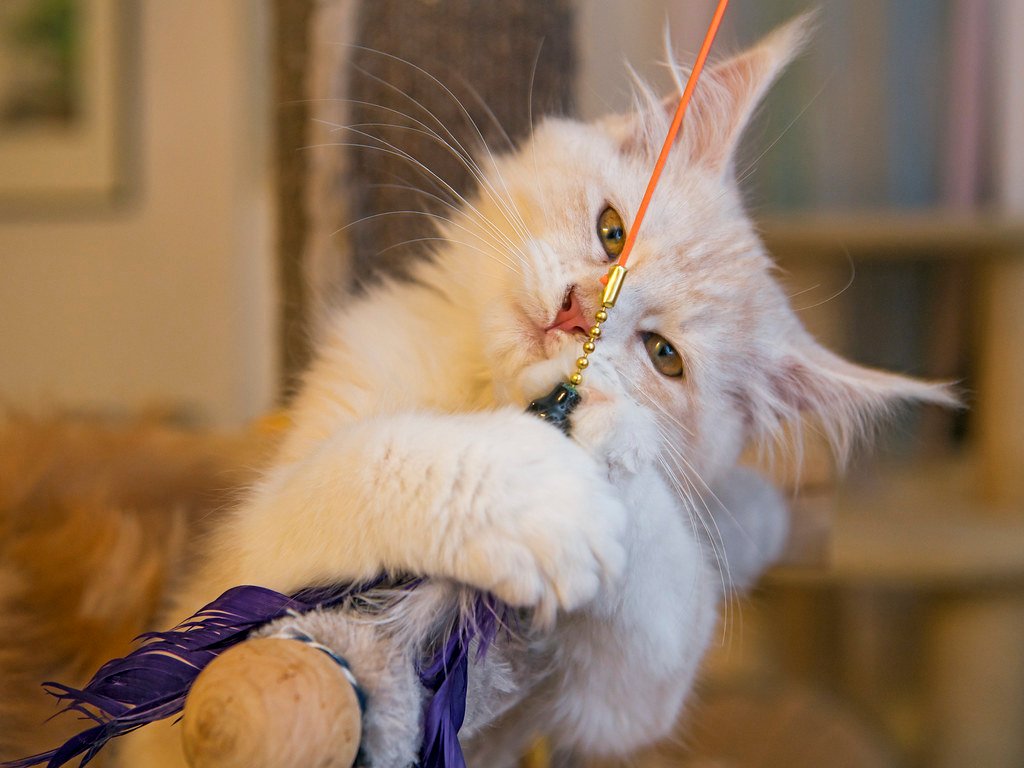
Cats often respond better to short bursts of interactive play, using wand toys or anything that mimics prey movement, than to any kind of forced exercise. Multiple short sessions throughout the day tend to work better than one long one.
Consider Feeding Setup
Puzzle feeders or food-dispensing toys can slow down eating and add mental engagement, which some owners find helps overweight cats feel satisfied without simply increasing portion size. Ask your vet if this approach fits your cat’s plan.
Track Weight Regularly
Because a few ounces make a bigger relative difference on a cat than on a dog, tracking weight change over time, whether at home on a scale suited for small pets or during vet visits, helps confirm the plan is working at a safe pace.
Multi-Cat Households
If you have more than one cat and only one needs to lose weight, feeding management gets more complicated, since cats will often eat from each other’s bowls. Separate feeding areas, timed feeders, or supervised mealtimes are common strategies, and your vet can help you figure out what’s realistic for your household.
FAQ: Weight Management for Cats
Is it dangerous for a cat to lose weight too quickly?
Yes. Rapid weight loss, or a cat simply eating too little for even a short stretch, can trigger a serious liver condition in overweight cats. Weight loss needs to be gradual and monitored, which is why a vet-guided plan is important rather than optional.
Can I just switch my overweight cat to less food on my own?
It’s not recommended. A vet should help determine a safe calorie target and confirm your cat continues eating consistently through the transition, since undereating carries real risk for cats specifically.
Does indoor life make cats more prone to weight gain?
Indoor cats generally have fewer opportunities for the kind of activity that outdoor cats get naturally, which is one reason play and enrichment are often emphasized as part of a weight management plan for indoor cats.
Final Thoughts
Weight management for overweight cats requires more caution than it might seem, mainly because sudden reductions in food intake carry real risk for cats in a way that’s less true for dogs. This article is meant to help you recognize excess weight and understand the general approach, not to replace a plan built by your veterinarian. If your cat needs to lose weight, loop your vet in before changing anything about feeding, and keep a close eye on appetite throughout the process.