
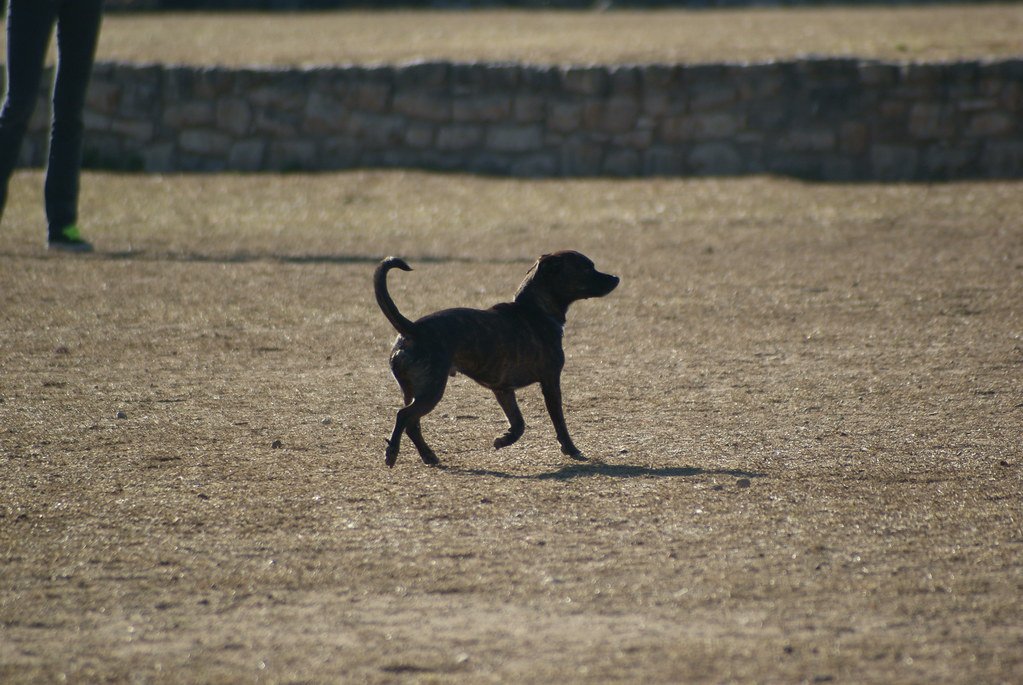
If you’ve had more than one person tell you your dog looks “a little chunky,” or your vet has mentioned it at the last checkup, it might be time to think seriously about weight management for overweight dogs. Extra weight on a dog isn’t just a cosmetic issue. It’s linked to real strain on joints, organs, and overall quality of life. The good news is that weight loss in dogs, done gradually and under a vet’s guidance, is one of the more manageable health issues to address once you know where to start.
How to Tell If Your Dog Is Overweight
Breed standards and “ideal weight” charts are a starting point, but body condition matters more than a number on a scale, since healthy weight varies by breed, frame, and individual dog. A few things you can check at home:
- Ribs: You should be able to feel your dog’s ribs easily with light pressure, without a thick layer of fat over them
- Waist: Looking from above, your dog should have a visible waist behind the ribs, not a straight or bulging line
- Abdominal tuck: From the side, the belly should tuck up behind the rib cage rather than hanging level with it
If you can’t feel the ribs without pressing firmly, or there’s no waist or tuck visible, your dog is likely carrying excess weight. Your vet can give you an actual body condition score and a target weight specific to your dog, which is far more useful than comparing your dog to a breed average.
Why Extra Weight Matters
Carrying excess weight puts additional strain on a dog’s joints, which can worsen or accelerate arthritis, especially in larger breeds or as dogs age. It’s also associated with a higher burden on the heart and lungs, and can make managing other health conditions more complicated. Overweight dogs also tend to have less stamina and interest in exercise, which can create a discouraging cycle: less activity contributes to more weight gain, and more weight makes activity harder.
Beyond the physical strain, many owners notice their dog’s energy and enthusiasm improve once weight comes down to a healthier range. This isn’t guaranteed for every dog, but it’s a commonly reported and encouraging part of the process.
Getting Started: Talk to Your Vet First
Before changing your dog’s food or cutting portions, get your vet involved. There are a few good reasons for this:
- Some medical conditions, including thyroid and hormonal issues, can contribute to weight gain and need to be ruled out or addressed directly
- Your vet can set a realistic, healthy target weight and a safe rate of loss for your specific dog
- Sudden or aggressive calorie restriction can cause its own health problems, so a plan should be tailored rather than improvised
- Certain breeds and life stages require different approaches, and your vet can flag anything specific to your dog
This is especially important for senior dogs, dogs with existing health conditions, or dogs on medication, where weight loss needs to be approached carefully and monitored over time.
Practical Steps for Dog Weight Loss
Once you have a plan from your vet, most successful weight management approaches for dogs involve a combination of the following:
Measure Food, Don’t Eyeball It
Using an actual measuring cup or a kitchen scale instead of guessing portions is one of the simplest, most effective changes owners can make. It’s easy to underestimate how much a “scoop” actually adds up to over a week.
Rethink Treats and Table Scraps
Treats and scraps can add up to a significant portion of a dog’s daily calories without anyone noticing. Ask your vet about appropriate lower-calorie treat options, and consider using a portion of your dog’s regular measured food as training treats instead of extras.
Increase Activity Gradually
More movement helps, but it should be introduced gradually, especially for dogs that have been sedentary or have joint concerns. Short, more frequent walks are often a better starting point than a single long outing, and your vet can advise on what’s appropriate given your dog’s current condition.
Track Progress With Regular Weigh-Ins
Periodic weigh-ins, whether at home or at the vet, help you see whether the plan is working and adjust as needed. Weight loss in dogs should generally be gradual; your vet can tell you what a healthy pace looks like for your dog specifically.
Staying Consistent
The biggest challenge in weight management for overweight dogs is usually consistency, not knowledge. Multiple people in a household feeding the dog, inconsistent treat-giving, or well-meaning family members sneaking extra food can quietly undo an otherwise solid plan. Getting everyone in the house on the same page about portions and treats makes a real difference.
FAQ: Weight Management for Dogs
How much weight should a dog lose per week?
A safe rate of weight loss depends on the individual dog and should be set by your vet. Rapid weight loss is not the goal and can be unsafe, so patience and consistency matter more than speed.
Can I put my dog on a diet without a vet’s involvement?
It’s best not to. Underlying medical conditions can contribute to weight gain, and a vet can help set a safe, realistic plan tailored to your dog’s age, breed, and health status.
Will exercise alone help my dog lose weight?
Exercise is an important part of the picture, but portion control and calorie intake typically matter just as much, if not more. A combined approach, guided by your vet, tends to work best.
Final Thoughts
Weight management for overweight dogs comes down to an honest look at body condition, a plan built with your vet, and consistency in feeding and activity over time. This article is meant to help you recognize the signs of excess weight and understand the general approach, not to replace a tailored plan from your veterinarian. If you suspect your dog is overweight, the next right step is a vet visit, not a DIY diet plan.