Pet care doesn’t stay still for long. What was niche a few years ago — fresh food delivery, pet DNA tests, wearable trackers — is now mainstream, and a new wave of changes is already reshaping how dog and cat owners approach food, health, and daily routines in 2026.
Some of this is genuinely useful. Some of it is hype dressed up as innovation. Here’s a grounded look at what’s actually shifting this year, and what it means for your day-to-day life with your pet.
Fresh and Gently Cooked Food Keeps Growing
The shift away from traditional dry kibble toward fresh, gently cooked, and human-grade pet food has been building for years, and it shows no sign of slowing. More brands now offer portioned, refrigerated or frozen meals delivered on a subscription basis, tailored to a pet’s weight, age, and activity level.
The appeal is real: better ingredient transparency and food that’s easier to digest for a lot of pets. The tradeoff is cost — fresh food subscriptions typically run well above traditional kibble — and the need for freezer or fridge space. If you’re curious, most services offer trial-size boxes so you’re not committing blind.
Wearable Health Tech Is Getting More Practical
Pet wearables used to be mostly about location tracking. Now more devices are folding in health monitoring — resting heart rate, activity levels, sleep quality, and scratching frequency — giving owners early signals before a problem becomes obvious.
The most useful part of this trend isn’t the flashy features, it’s the trend lines. A collar that notices your dog’s activity has quietly dropped over two weeks can flag something worth mentioning at their next vet visit, well before you’d have noticed on your own. These tools are a supplement to your own observation and your vet’s guidance, not a replacement for either.
Telehealth for Pets Is Becoming Normal
Virtual vet consultations, once a pandemic-era workaround, have settled into a normal part of pet care. For non-urgent questions — a weird stool, a new bump, general behavior questions — a quick video call can save a stressful car ride and help you figure out whether an in-person visit is actually necessary.
It’s not a substitute for hands-on exams, vaccinations, or anything urgent, but as a first triage step, more vet practices are offering it and more owners are using it.
More Focus on Cat Enrichment, Not Just Cat Care
For years, cat care conversations centered almost entirely on food, litter, and vet visits. That’s expanding. More owners are treating enrichment — climbing space, puzzle feeders, scent variety, window perches — as a core part of responsible cat ownership, not an optional extra.
This tracks with a broader shift in how indoor cat life is understood: boredom and lack of stimulation are increasingly recognized as contributors to behavior issues like overgrooming, aggression, and destructive scratching. Expect to see more products built specifically around mental stimulation rather than just containment.
Pet Insurance Is Getting More Mainstream (and More Scrutinized)
More pet owners are signing up for insurance earlier — often as soon as they bring a new puppy or kitten home — rather than waiting until a costly emergency forces the decision. At the same time, owners are getting savvier about comparing plans, since coverage details, waiting periods, and pre-existing condition clauses vary a lot between providers.
If you’re shopping for a policy, read the exclusions list closely before comparing monthly premiums — a cheap plan with a long list of exclusions can end up costing more in the long run.
Dog Owners Are Rethinking Daycare and Socialization
As more workplaces settle into hybrid or in-office routines, dog daycare use patterns are shifting. Instead of daily drop-off, more owners are using daycare a couple of days a week specifically for socialization and exercise, treating it less like default childcare and more like an intentional part of a dog’s routine.
There’s also more awareness around choosing daycares carefully — checking staff-to-dog ratios, how dogs are grouped by temperament, and whether there’s real supervision versus dogs just being left to sort things out among themselves.
Multi-Pet Households Are Driving Product Design
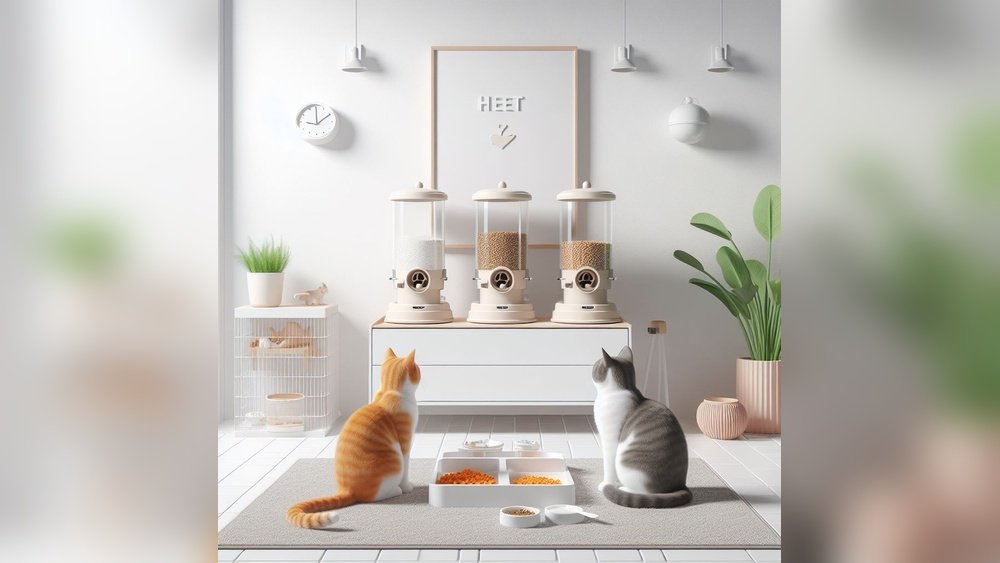
With more households having both a cat and a dog (or multiples of each), more products are being designed for mixed-pet homes — feeding stations that keep dogs out of cat food, litter boxes designed to be dog-proof, and furniture that works for climbing cats and lounging dogs alike.
If you’re managing a multi-pet home, this is good news: fewer workarounds, more products actually built for your situation instead of retrofitted.
Sustainability Is Becoming a Real Factor, Not Just Marketing
Compostable poop bags, refillable litter systems, and recyclable packaging have moved from niche to increasingly standard, especially among newer pet brands. Owners are also paying more attention to sourcing — where protein comes from, how it’s farmed — when choosing food brands.
It’s worth staying a little skeptical here too. Not every “eco-friendly” label reflects a meaningfully different product, so it’s worth checking specifics rather than assuming the label alone means something.
Frequently Asked Questions
Is fresh dog food actually better than kibble?
For many dogs, fresh food is easier to digest and uses more recognizable ingredients, but “better” depends on your dog’s specific needs and budget. High-quality kibble can absolutely provide complete nutrition too — talk to your vet if you’re deciding between the two for a dog with specific health needs.
Are pet health wearables worth it?
They can be useful for catching subtle changes in activity or behavior early, especially for older pets or those with chronic conditions. They’re a helpful add-on to regular vet care, not a diagnostic tool on their own.
What’s the biggest change in cat care right now?
The growing emphasis on mental enrichment — vertical space, puzzle feeders, scent and texture variety — as a core part of cat wellbeing rather than an optional extra. This shift is helping owners address behavior issues that used to be misunderstood as just “bad cat behavior.”
Should I get pet insurance for a new puppy or kitten?
Signing up early, before any pre-existing conditions show up, generally gets you better coverage and pricing. It’s worth comparing at least two or three providers and reading the exclusions carefully before choosing.
Is pet telehealth actually useful?
Yes, for non-urgent questions and general guidance — it can save you a stressful trip and help you figure out if an in-person visit is really needed. For anything urgent or requiring a physical exam, an in-person vet visit is still necessary.
Final Thoughts
None of these trends are about replacing the basics — good food, regular vet care, exercise, and attention still matter most. But paying attention to where pet care is heading can help you make smarter choices about where to actually spend your time and money this year, instead of getting swept up in whatever’s trending on social media.