
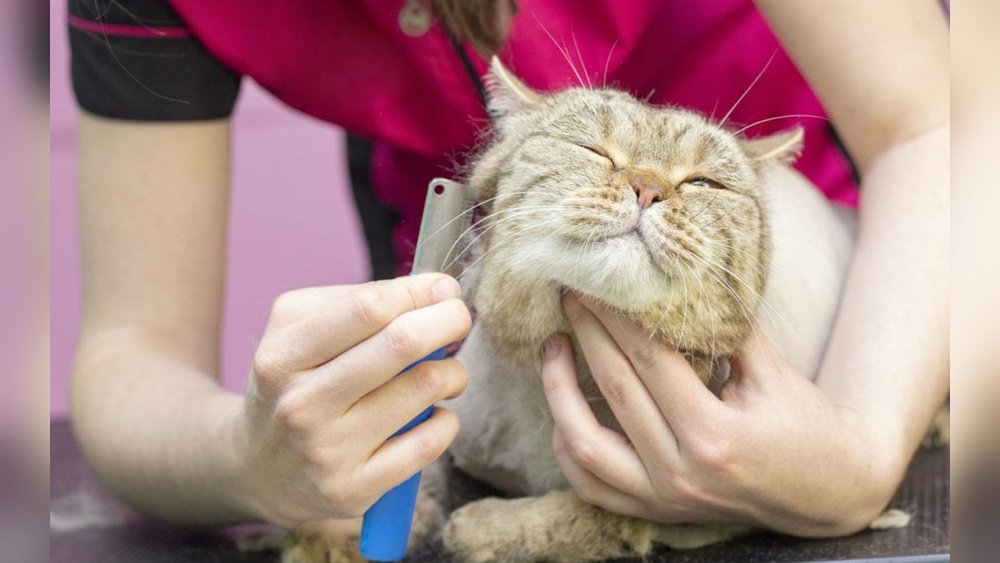
Cats are known for their elegance and self-sufficiency, but even the most independent feline needs regular grooming. Proper cat grooming is not just about appearance—it’s essential for your cat’s health, comfort, and happiness. Many new cat owners believe grooming is only necessary for long-haired breeds or show cats, but every cat, no matter the fur type, benefits from a grooming routine.
Cats spend a significant part of their day cleaning themselves. Yet, there are limits to what a cat can do alone. Mats, dirt, loose hair, and other issues can develop without human help. Grooming your cat also strengthens your bond and helps spot health problems early, such as wounds, parasites, or skin changes.
Understanding cat grooming can feel overwhelming at first. There are many products, techniques, and tips out there. But with clear steps, the right tools, and some patience, cat grooming becomes a simple, enjoyable part of life with your feline friend.
This guide will walk you through every aspect of cat grooming, from brushing and bathing to nail trimming and ear cleaning, giving you everything you need to keep your cat healthy and happy.
Why Cat Grooming Matters
Grooming is not just about making your cat look good. It is a key part of preventive healthcare. Regular grooming:
- Reduces hairballs, especially for long-haired cats.
- Prevents painful mats and tangles.
- Lowers the risk of skin infections or irritations.
- Controls shedding and keeps your home cleaner.
- Helps catch fleas, ticks, or injuries early.
- Strengthens the human-cat relationship through gentle touch.
Some beginners think indoor cats or short-haired breeds don’t need grooming. In reality, all cats benefit from a grooming routine, just at different levels. Ignoring grooming can lead to matting, skin issues, and even behavioral problems.
Types Of Cat Coats And Grooming Needs
Before you start grooming, it’s important to know your cat’s coat type. This affects how often you need to groom and which tools to use.
| Coat Type | Breeds (Examples) | Grooming Frequency | Common Issues |
|---|---|---|---|
| Short-haired | American Shorthair, Siamese | 1-2 times/week | Shedding, loose hair |
| Medium-haired | Bengal, Turkish Van | 2-3 times/week | Minor matting |
| Long-haired | Maine Coon, Persian | Daily | Heavy shedding, mats |
| Hairless | Sphynx | Wipe weekly | Oily skin, dirt buildup |
Long-haired cats need the most attention. Their fur tangles and mats easily, which can cause pain and even restrict movement. Short-haired cats shed and can get hairballs, but are easier to maintain. Hairless breeds still need skin care, as oil and dirt can build up quickly.
Essential Cat Grooming Tools
Having the right tools makes grooming safer and more effective. Not every tool is needed for every cat, but most owners will use several of these.
- Slicker brush: Removes loose hair and prevents mats, especially for long-haired cats.
- Wide-tooth comb: Helps detangle stubborn knots without pulling.
- Fine-tooth flea comb: Finds fleas and removes dirt near the skin.
- Deshedding tool: Reduces shedding in heavy-shedding breeds.
- Nail clippers: Cat-specific clippers prevent overgrown nails and splits.
- Scissors (rounded tips): For trimming mats or fur near sensitive areas.
- Cat-friendly shampoo: Only use shampoos made for cats; human or dog shampoos can irritate their skin.
- Grooming wipes: Useful for hairless cats or spot cleaning.
- Cotton balls: For gentle ear cleaning.
- Toothbrush and cat toothpaste: Dental care is part of grooming.
Always introduce new tools slowly. Let your cat sniff and explore each item before using it. Never force a tool if your cat is scared; patience is key.
Brushing: The Foundation Of Cat Grooming
Brushing is the most important part of cat grooming, and it’s the step you’ll do most often. The benefits of brushing go far beyond a neat appearance.
- Removes dead hair before your cat swallows it (reducing hairballs).
- Distributes natural oils for a shiny, healthy coat.
- Stimulates blood flow and skin health.
- Prevents mats and tangles.
How To Brush Your Cat
- Pick the right brush for your cat’s coat length and texture.
- Start slowly. Let your cat smell the brush, then gently stroke a familiar area, like the back.
- Brush in the direction of hair growth. Use gentle, even strokes.
- Check for mats or tangles. If you find a mat, hold the fur close to the skin and gently work it out with a comb.
- Finish with a treat or praise. This helps your cat associate grooming with positive experiences.
Short-haired cats need brushing once or twice a week. Long-haired cats often need it daily. Always be gentle near sensitive spots (belly, legs, tail).
Non-obvious Tip
Many owners forget to brush under the legs and around the neck. These spots are easy to miss but often develop mats. Make brushing these areas part of your routine.
Bathing Your Cat: When And How
Cats are famous for self-cleaning, but sometimes a bath is needed. This is more common for long-haired or adventurous outdoor cats, or if your cat has rolled in something sticky or toxic.
Most cats do not need regular baths. Bathing too often can dry out their skin and cause stress. But there are situations where a bath is necessary, such as:
- Flea or tick infestations (when vet-recommended).
- Obvious dirt or substances that could be toxic if licked.
- Medical conditions that affect skin or fur.
- Elderly or overweight cats that can’t groom themselves well.
How To Bathe Your Cat
- Prepare everything first. Get a cat shampoo, towel, small cup, and non-slip mat.
- Brush your cat to remove loose fur and mats.
- Fill the tub or sink with a few inches of warm water.
- Gently wet your cat with the cup—never pour water directly over the head.
- Apply shampoo, lathering gently. Avoid the eyes, ears, and face.
- Rinse thoroughly. Any leftover shampoo can cause irritation.
- Wrap your cat in a towel and dry as much as possible. Most cats dislike blow dryers.
- Reward your cat with a treat or play session.
Practical Insight
Wear long sleeves and trim your cat’s nails before bathing to avoid scratches. If your cat panics, stop and try again another day. Stress can make bathing dangerous for both of you.
Nail Trimming: Why And How To Do It
Many cat owners are nervous about nail trimming. But with practice and the right technique, it becomes a simple part of cat grooming.
Why trim your cat’s nails?
- Prevents overgrown nails that can curve into paw pads (painful and risky).
- Reduces scratching of furniture and people.
- Keeps claws healthy and less likely to split.
Steps For Safe Nail Trimming
- Choose the right clippers. Cat-specific clippers are safest.
- Pick a calm time. After a meal or play session is best.
- Hold your cat gently. Press the pad to extend the claw.
- Trim only the sharp tip. Avoid the pink area (quick)—it’s sensitive and can bleed.
- Reward and release. If your cat is nervous, do one paw at a time.
Non-obvious Tip
Start by handling your cat’s paws daily, even when you’re not trimming. This helps your cat get used to the sensation and reduces stress when it’s time to trim.
Credit: catsarespecial.com
Ear And Eye Cleaning
Cats’ ears and eyes usually stay clean on their own. But sometimes, wax, dirt, or discharge builds up, especially in long-haired or flat-faced breeds.
How to clean ears:
- Use a cotton ball or soft cloth. Never use cotton swabs inside the ear canal.
- Moisten with warm water or a vet-recommended ear cleaner.
- Wipe gently around the ear flap and visible parts.
- Look for redness, strong odor, or black debris (signs of mites or infection).
How to clean eyes:
- Use a damp, soft cloth.
- Wipe away discharge from the corner of the eye.
- If your cat has constant tearing, see a vet—it may be a sign of a health issue.
Insight: Some cats are prone to ear or eye problems. Regular checks during grooming help catch problems early. If you notice swelling, redness, or persistent discharge, seek veterinary advice.
Dental Care As Part Of Grooming
Dental health is often forgotten in cat grooming. Yet, dental disease is one of the most common health problems in cats over age three.
Why dental care matters:
- Prevents tartar buildup, gum disease, and tooth loss.
- Reduces bad breath.
- Lowers the risk of infections spreading to other organs.
How To Clean Your Cat’s Teeth
- Start slow. Let your cat taste cat toothpaste on your finger.
- Use a cat toothbrush or finger brush.
- Gently lift the lip and brush in small circles on the outside of the teeth.
- Focus on the outer surfaces. Don’t worry about the inside—most tartar forms outside.
- Aim for 2-3 times a week. Daily is ideal but not always realistic.
Practical Tip
Never use human toothpaste—it is toxic for cats. If your cat resists brushing, dental treats or vet-approved water additives can help, but they are not a full replacement.
Handling Mats And Tangles
Mats are clumps of tangled fur that pull on the skin and can cause pain or sores. They are most common in long-haired cats but can happen to any breed, especially older or sick cats.
How to deal with mats:
- Use a wide-tooth comb or fingers to gently loosen the mat.
- For stubborn mats, use rounded-tip scissors and cut parallel to the skin (never toward the skin).
- Never yank or pull—a mat can tear the skin.
If the mat is large or close to the skin, see a professional groomer or vet. Home attempts can cause injury.
Tip: Regular brushing prevents most mats. Pay extra attention during shedding seasons—spring and fall.
Grooming Hairless Cats
Hairless breeds like the Sphynx still need grooming. Their skin produces oil that is not absorbed by fur, so it builds up and attracts dirt.
How to groom a hairless cat:
- Wipe the skin weekly with a damp cloth or pet-safe wipe.
- Give regular baths (every 1-2 weeks) with gentle cat shampoo.
- Check folds and wrinkles for dirt or irritation.
- Protect from sunburn—hairless cats can burn easily.
Some owners skip cleaning hairless cats, thinking they are “low maintenance,” but this leads to skin problems.
Grooming Older Or Special Needs Cats
Elderly, overweight, or disabled cats may struggle to groom themselves. They are more prone to mats, dirty fur, and long nails.
How to help:
- Brush more often, focusing on hard-to-reach areas.
- Trim nails regularly—they may be less active and not wear them down naturally.
- Watch for changes in skin or coat that could signal illness.
Be gentle—older cats have thinner skin and may be sore. Use soft brushes and avoid pulling. If your cat is painful or resists, ask your vet for advice.
Professional Grooming Vs. At-home Grooming
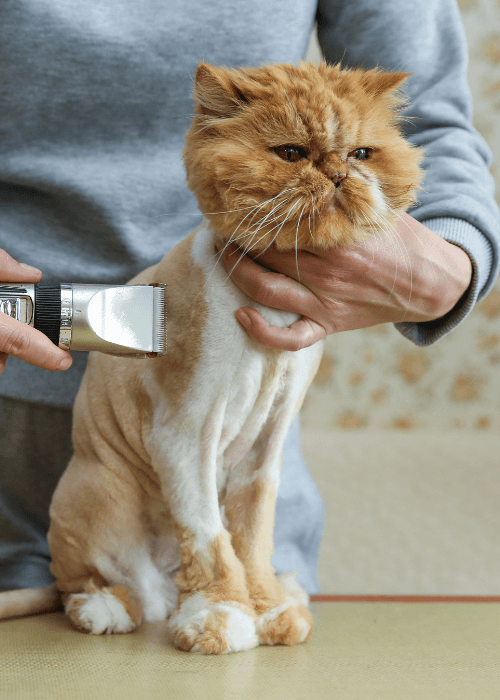
Some cats need professional grooming, especially those with severe mats, health issues, or very long fur. Groomers have special tools and experience handling stressed or difficult cats. However, most cats can be groomed at home with patience and practice.
| At-Home Grooming | Professional Grooming |
|---|---|
| Cheaper, strengthens bond, more frequent | Expert tools, handles severe mats, safer for aggressive cats |
| May miss medical issues if inexperienced | Extra cost, can be stressful for some cats |
Tip: Even if you use a professional groomer, regular brushing and nail checks at home are still important.

Credit: www.aspcapetinsurance.com
Dealing With Shedding
All cats shed, but some shed more than others. Managing shedding keeps your home cleaner and reduces hairballs.
- Brush more often during spring and fall when cats shed heavily.
- Use a deshedding tool for breeds with thick undercoats.
- Vacuum and lint-roll furniture regularly.
- Feed a high-quality diet—poor nutrition increases shedding.
Some owners believe shaving a cat will stop shedding. In reality, it can harm the skin and stress the cat. Regular brushing is the best way to control loose hair.
Flea And Parasite Checks
Grooming is the perfect time to check for fleas, ticks, and other parasites. Look for:
- Small black specks (“flea dirt”) near the skin.
- Red, irritated spots or scabs.
- Ticks attached to the skin, especially around ears or neck.
If you find signs of parasites, consult your vet for safe treatment. Never use dog flea products on cats—they can be toxic.
Reducing Stress During Grooming
Some cats love grooming, others hate it. Reducing stress makes grooming safer and more enjoyable for both you and your cat.
- Start grooming early—kittens that learn grooming is fun are easier to handle as adults.
- Keep sessions short, especially at first.
- Use treats, play, or gentle praise as rewards.
- Groom in a quiet, comfortable area.
- Watch for signs of stress (growling, swatting, hiding). If your cat is scared, stop and try again later.
Non-obvious Insight
Cats are very sensitive to scent. If you bring home new grooming tools, let them sit near your cat’s bed for a day or two before using them. This reduces fear of new objects.
Common Mistakes And How To Avoid Them
New cat owners often make simple mistakes that can be avoided:
- Using the wrong tools: Human brushes or scissors can hurt your cat. Use tools designed for cats.
- Skipping grooming for short-haired cats: All cats need grooming, not just long-haired breeds.
- Bathing too often: Most cats do not need regular baths—overbathing causes dry skin.
- Cutting nails too short: Always avoid the quick (pink part).
- Forcing the process: Pushing a scared cat increases stress and risk of injury.
- Ignoring dental care: Bad breath and dental disease are common but preventable.
- Overlooking ears and eyes: Regular checks catch problems early.
- Not checking for parasites: Fleas and ticks can be missed without careful inspection.
Creating A Cat Grooming Routine
Consistency is key. Creating a regular grooming schedule helps your cat adjust and makes the process easier for you.
- Brush short-haired cats weekly, long-haired cats daily.
- Check nails every 2-4 weeks.
- Clean ears and eyes as needed, usually monthly.
- Give baths only when necessary.
Write down your routine or set reminders. This helps everyone in your household stay involved and ensures nothing is missed.
Cat Grooming For Show Cats
If you plan to show your cat, grooming becomes more detailed. Show cats require perfect coats, trimmed nails, clean ears and eyes, and sometimes professional trimming or styling. Each breed has standards—research what judges look for.
Show grooming is advanced and not needed for most pet cats, but learning these skills can help keep your cat’s coat in top condition.

Credit: smoochie-pooch.com
When To Seek Veterinary Help
Most grooming can be done at home, but some problems need a vet:
- Persistent mats, sores, or hair loss.
- Signs of pain during grooming.
- Red, smelly, or swollen ears.
- Unusual lumps or bumps.
- Sudden changes in coat or skin.
Early treatment prevents bigger problems. Never use human or dog products on your cat without checking with a vet.
Cat Grooming Myths Busted
There are many myths about cat grooming:
- “Cats groom themselves, so humans don’t need to help.” False. Every cat benefits from human grooming.
- “Bathing is cruel for cats.” False. Bathing is safe when done correctly and sometimes necessary.
- “Shaving a cat is the best way to stop shedding.” False. Shaving can harm the skin.
- “Only long-haired cats need brushing.” False. All cats, even hairless, need some grooming.
Understanding the truth helps you care for your cat confidently and avoid mistakes.
Cat Grooming Products: What To Avoid
There are many grooming products on the market, but not all are safe.
- Avoid human or dog shampoos—they can irritate or poison cats.
- Don’t use essential oils or strong perfumes near your cat.
- Beware of gimmick products (such as “self-cleaning” brushes with harsh bristles).
- Only use flea treatments labeled for cats.
Always check reviews and ask your vet before trying new products. Some ingredients can be dangerous for cats even in small amounts.
The Emotional Side Of Cat Grooming
Grooming isn’t only about health—it’s also about building trust. Many cats come to enjoy grooming as special time with their person. Even nervous or shy cats can learn to relax and enjoy gentle brushing.
Patience, consistency, and positive reinforcement are your biggest tools. Forcing grooming rarely works. Respect your cat’s boundaries and build up slowly.
Frequently Asked Questions
How Often Should I Groom My Cat?
The frequency depends on your cat’s coat type. Short-haired cats usually need brushing once a week, while long-haired cats need daily attention. Nail trims are needed every few weeks, and ears or eyes should be checked monthly.
What Is The Safest Way To Trim My Cat’s Nails?
Use cat-specific nail clippers and trim only the sharp tip, avoiding the pink “quick. ” Do one paw at a time if your cat is nervous, and always reward with a treat after.
Can I Use Human Shampoo On My Cat?
No. Human shampoos can dry or irritate your cat’s skin. Always use a shampoo made for cats. If in doubt, ask your veterinarian for recommendations.
My Cat Hates Brushing—what Can I Do?
Start with very short sessions and reward your cat with treats or play. Try different brushes to find one your cat likes. Let your cat sniff and explore grooming tools before using them.
Where Can I Learn More About Cat Grooming Techniques?
For further reading, check out this guide by the Humane Society of the United States. Your veterinarian can also demonstrate techniques or recommend a professional groomer.
Grooming your cat is an important part of responsible pet care. With the right tools, patience, and knowledge, you can keep your cat healthy, comfortable, and looking their best. Over time, grooming can become a special routine that both you and your cat enjoy—one that supports lifelong health and a strong, trusting bond.