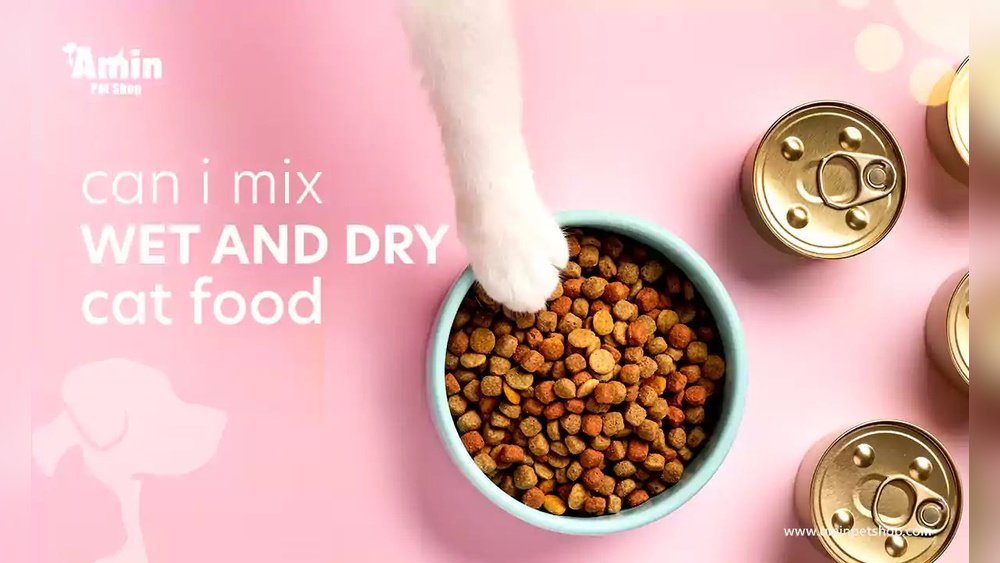
Cats are part of the family for millions of people worldwide. If you have a cat, you know how important food is for their health and happiness. But choosing the right cat food can be confusing. There are many types, brands, and ingredients. Some cats are picky, others have health problems, and new trends appear every year. This guide will help you understand everything you need to know about feeding your cat. You will learn what matters most, how to read labels, common mistakes, and how to keep your cat healthy for years to come.
Why Cat Food Matters
Feeding your cat is not just about filling a bowl. Cats have unique dietary needs. They are obligate carnivores, which means they need nutrients that only come from animal sources. Unlike dogs, cats cannot survive or thrive on plant-based diets alone. The right food supports their muscles, energy, immune system, and even their mood.
A poor diet can cause problems like obesity, kidney disease, and skin issues. The right food, on the other hand, can help your cat live longer, avoid costly vet bills, and stay active and playful.
Types Of Cat Food
There are several main types of cat food. Each has its own benefits and challenges. Understanding them helps you make the best choice for your cat.
Dry Cat Food (kibble)
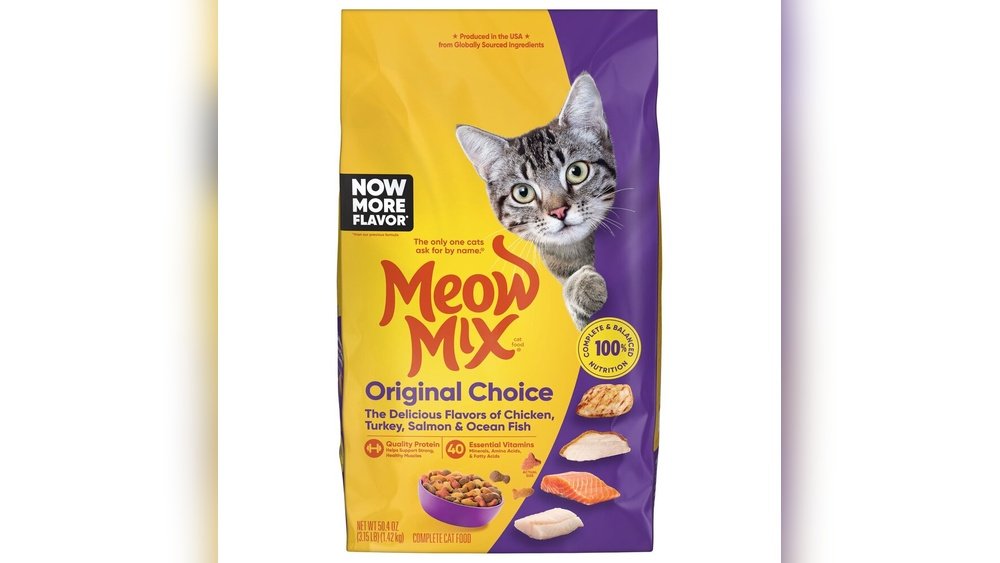
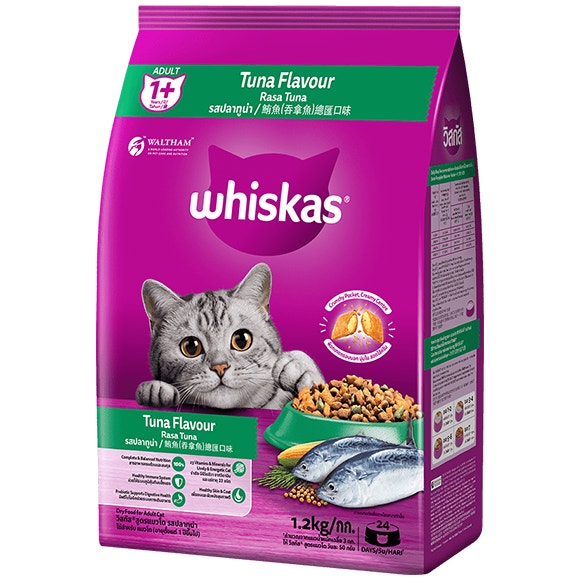
Dry cat food is the most popular and affordable option. It is convenient, has a long shelf life, and helps keep your cat’s teeth clean. But it is often high in carbohydrates and low in moisture. This can be a problem for cats who do not drink enough water.
Dry food is best for:
- Busy owners who need convenience
- Cats who like to graze throughout the day
- Mixing with wet food for variety
Wet Cat Food (canned)
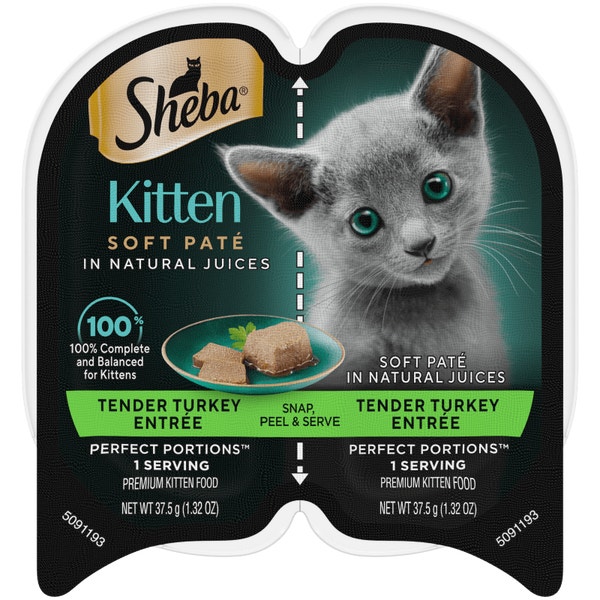
Wet food has a higher water content, which helps keep cats hydrated. It usually smells and tastes better to cats. Wet food often has more protein and fewer fillers. But it is more expensive, spoils quickly, and can be messy.
Wet food is best for:
- Cats with urinary or kidney issues
- Older cats who need more water
- Picky eaters
Semi-moist Cat Food
Semi-moist foods are less common. They are soft and chewy, with about 35% moisture. These foods often contain more artificial colors and preservatives. They are usually not recommended for long-term feeding.
Raw Cat Food
Raw diets have become popular in recent years. They focus on raw meat, organs, and bones. Some owners believe raw food is closer to a cat’s natural diet. But raw food can carry bacteria like Salmonella and requires careful handling. It is not recommended without advice from a veterinary nutritionist.
Freeze-dried And Dehydrated Cat Food
These are less common but growing in popularity. They keep most nutrients and flavors and are easy to store. You usually add water before feeding. These foods are a good middle ground between raw and processed foods.
Credit: www.sheba.com
Nutritional Needs Of Cats
Cats need a balance of proteins, fats, carbohydrates, vitamins, and minerals. But not all nutrients are equal in importance.
Protein
Cats need more protein than most other pets. Protein is the main source of energy and supports muscle, skin, and coat health. Look for food with at least 30% protein (on a dry matter basis). Ingredients like chicken, turkey, fish, and beef should be at the top of the list.
Fats
Fats give energy and help absorb vitamins. Essential fatty acids like Omega-3 and Omega-6 support brain and skin health. Too much fat, however, can lead to obesity.
Carbohydrates
Cats do not need many carbohydrates. Some carbs are okay, but many brands add too much as fillers. Look for foods with low to moderate carbs.
Vitamins And Minerals
Important nutrients include:
- Taurine: Vital for heart and eye health.
- Vitamin A: Supports vision and immunity.
- Calcium and phosphorus: For strong bones and teeth.
- B vitamins: Help metabolism.
Water
Cats have a low thirst drive. They get most water from food in the wild. Wet food or adding water to dry food helps prevent urinary problems.
How To Read Cat Food Labels
Labels can be confusing, but knowing what to look for can make a big difference.
Guaranteed Analysis
This section shows the minimum and maximum percentages of protein, fat, fiber, and moisture. Compare these numbers across brands and types.
Ingredients List
Ingredients are listed in order by weight. The first few items are the most important. Look for real meat or fish at the top. Avoid foods where corn, soy, or by-products are listed first.
Life Stage Statement
Cat foods should say if they are for kittens, adults, or seniors. Feeding the wrong stage can cause health problems.
Additives And Fillers
Some foods have artificial colors, flavors, or preservatives. While not always dangerous, they are not needed. Look for foods with simple, natural ingredients.
Aafco Statement
In the United States, check for an AAFCO statement. This means the food meets basic nutritional standards.
Choosing The Right Cat Food
Picking the best food depends on your cat’s age, health, lifestyle, and taste preferences.
For Kittens
Kittens need extra protein, fat, and calories for growth. Choose food labeled for kittens. Do not feed adult cat food to kittens.
For Adult Cats
Most adult cats do well on balanced adult food. Watch calories to prevent obesity.
For Senior Cats
Older cats may need food with less fat and more fiber. Some senior foods also add joint support supplements.
For Special Needs
Some cats have allergies, sensitive stomachs, or diseases like diabetes or kidney disease. Special prescription diets are available, but talk to your vet before switching.
Indoor Vs. Outdoor Cats
Indoor cats need fewer calories than outdoor cats. Some foods are made just for indoor cats with lower calorie content and hairball control.
Popular Cat Food Brands
There are hundreds of brands, but a few are trusted by vets and cat owners worldwide.
- Royal Canin
- Known for science-based recipes and breed-specific formulas.
- Hill’s Science Diet
- Recommended by many vets, with foods for all life stages and health needs.
- Purina Pro Plan
- Offers a wide range for every budget, including grain-free options.
- Wellness
- Focuses on natural, high-protein recipes.
- Blue Buffalo
- No artificial flavors or by-products, popular grain-free choices.
- Iams
- Good value, with basic and specialty recipes.
- Orijen
- High in meat content, uses fresh regional ingredients.
- Nutro
- No GMOs or artificial colors, simple ingredient lists.
- Fancy Feast
- Popular for wet food, many flavors for picky eaters.
- Sheba
- Convenient single-serve wet food trays.
- Taste of the Wild
- Grain-free, with unique meats like venison and salmon.
- Merrick
- High-protein, grain-free, and limited ingredient options.
- Instinct
- Raw and freeze-dried options, high protein.
- Natural Balance
- Limited ingredient diets for sensitive cats.
- Friskies
- Affordable, many wet and dry choices.
- Applaws
- Simple, limited ingredients, often 100% natural.
- Tiki Cat
- Wet food focused on natural, shredded meats.
- Ziwi Peak
- Air-dried and wet options, uses ethical meats.
- Acana
- High-protein, regional ingredients, similar to Orijen.
- Wellness CORE
- Protein-rich, grain-free recipes.
Comparing Wet Vs. Dry Cat Food
A side-by-side look can help you decide which is best for your cat:
| Dry Food | Wet Food | |
|---|---|---|
| Moisture Content | 8-10% | 75-80% |
| Protein (average) | 30-40% | 8-12% (as-fed), but higher when dry matter is calculated |
| Convenience | Very High | Medium |
| Dental Health | Can help reduce tartar | No effect |
| Cost | Lower | Higher |
| Shelf Life (opened) | Weeks | Hours |
Grain-free Vs. Regular Cat Food
Grain-free Diets Have Become Trendy. But Are They Really Better?
Grain-free
These foods avoid wheat, corn, and soy. Some cats with allergies may do better on grain-free food. But most cats are not allergic to grains. Some grain-free foods replace grains with potatoes or peas, which are still carbohydrates.
Regular (with Grains)
Grains can be a good source of energy if used in small amounts. Whole grains add fiber and nutrients.
Grain-free is not always better. Talk to your vet before switching, especially if your cat has health problems.
Cat Food For Special Health Needs
Some cats have medical conditions that require special diets. Here are the most common:
Urinary Health
Cats are prone to urinary tract problems. Diets for urinary health are lower in magnesium and promote acidic urine. Wet food is often better for these cats.
Kidney Disease
These cats need less protein, phosphorus, and sodium. Prescription diets are best.
Diabetes
Diabetic cats do better on low-carbohydrate, high-protein diets. Some cats go into remission with the right food.
Allergies And Sensitivities
Limited ingredient foods can help. Try single-protein recipes, or foods without common allergens like chicken or fish.
Weight Management
Overweight cats need fewer calories and more fiber to feel full. Look for “light” or “weight control” foods.
How To Switch Cat Foods Safely
Changing food too quickly can upset your cat’s stomach. Always switch slowly over 7-10 days:
- Mix a small amount of new food with the old food.
- Increase the new food and decrease the old food a little more each day.
- Watch for vomiting, diarrhea, or refusal to eat. Go slower if needed.
Some cats resist change. Try warming wet food or adding a little tuna water for extra smell and taste.
How Much And How Often To Feed
The right amount depends on age, size, activity, and the food itself. Most cat foods have a feeding guide on the label.
Common Feeding Schedules
- Kittens: 3-4 small meals a day.
- Adult cats: 2 meals a day or free feeding (for dry food).
- Seniors: 2-3 small meals, easier to digest.
Do not overfeed. Obesity is a top health problem for cats, and can shorten their lives by years.
Homemade And Raw Cat Food
Some owners want total control over ingredients. Homemade and raw diets are possible but risky if not done right.
Pros
- Control over every ingredient
- No artificial additives
Cons
- Hard to balance nutrients
- Risk of bacteria (raw meat)
- Time-consuming
- Expensive
If you want to make cat food at home, always follow a recipe approved by a veterinary nutritionist. Never guess the amounts.
Credit: everestkitchennc.com
Cat Treats: How Much Is Too Much?
Treats are fun, but they should be less than 10% of your cat’s daily calories. Too many treats can lead to weight gain and poor nutrition.
Choose treats with real meat, and avoid ones with sugar or artificial colors. Some dental treats may help clean teeth, but should not replace brushing.
Food Allergies And Intolerances
Symptoms of food allergies include itching, hair loss, vomiting, or diarrhea. The most common allergens are chicken, beef, fish, and dairy.
If you suspect an allergy:
- Try a limited ingredient or novel protein diet (like duck or rabbit).
- Keep a food diary.
- Work with your vet to find the cause.
Common Mistakes In Feeding Cats
Many cat owners, even experienced ones, make mistakes:
- Free-feeding too much: Leaving food out all day can lead to overeating.
- Switching foods too quickly: Causes stomach upset.
- Feeding dog food: Dog food does not have enough protein or taurine for cats.
- Ignoring water: Dry food only diets can cause dehydration.
- Giving only one type of food: Variety can help prevent boredom and picky eating.
- Not adjusting for age or health: Needs change as cats get older.
- Too many treats: Can unbalance the diet.
Cat Food And Environmental Impact
Pet food is a big part of the global food system. Some brands use sustainable meats, recyclable packaging, or support wildlife conservation. You can help by:
- Choosing brands that use responsible sourcing.
- Avoiding overfeeding (less waste).
- Recycling packaging.
The Role Of Veterinary Advice
Your vet is your best partner for feeding advice. They know your cat’s health and can recommend the best food for their age, weight, and medical needs.
Vets can also help with:
- Weight loss plans
- Treating food allergies
- Managing diseases like diabetes or kidney problems
Do not trust all online advice or trends. Some popular diets are not backed by science.
Cost Comparison: Dry Vs. Wet Cat Food
Feeding your cat well does not have to break the bank. Here is a general cost comparison (prices are averages and may vary by region and brand):
| Food Type | Average Price per lb/kg | Daily Cost (Adult Cat) | Notes |
|---|---|---|---|
| Dry Food | $2-4/lb ($4-9/kg) | $0.20-$0.50 | Cheapest, can be left out longer |
| Wet Food | $1.50-$3.00/can (5.5oz/156g) | $1.00-$2.00 | Higher water content, more palatable |
| Freeze-Dried/Raw | $8-15/lb ($17-33/kg) | $2.00-$4.00 | Premium option, requires handling |

Credit: bixbipet.com
Non-obvious Insights For Cat Owners
Many cat owners miss these points:
- Portion control is critical. Most cats are overweight because owners guess portions instead of measuring.
- Rotate proteins if possible. Some cats develop sensitivities to the same protein over years. Rotating between chicken, beef, and fish can prevent this.
- Check for recalls. Even reputable brands sometimes have recalls due to contamination. Stay updated and keep receipts.
- Do not rely on “natural” labels. There is no strict definition for “natural” in pet food. Always check the ingredient list.
How To Store Cat Food Properly
Proper storage keeps food fresh and safe.
- Dry food: Store in a cool, dry place. Use an airtight container. Do not mix old and new batches.
- Wet food: Refrigerate unused portions and use within 1-2 days.
- Freeze-dried/raw: Follow package directions, usually store in a freezer or fridge.
Signs Of Good And Bad Cat Food
Good Cat Food
- Shiny coat, bright eyes
- Normal, firm stools
- Steady energy
- Healthy weight
Bad Cat Food
- Dull fur, flaky skin
- Diarrhea, constipation
- Low energy or hyperactivity
- Sudden weight changes
If you notice problems after changing foods, switch back and talk to your vet.
The Future Of Cat Food
New trends are shaping the market:
- Insect protein: Sustainable, high in nutrients.
- Lab-grown meats: May reduce the need for farmed animals.
- Personalized nutrition: Foods tailored for your cat’s DNA or health profile.
These are exciting, but always look for scientific evidence before switching.
Trusted Resources For Cat Food Information
For more details, visit the World Small Animal Veterinary Association or your local veterinary clinic. These sources provide up-to-date, evidence-based advice.
Frequently Asked Questions
What Is The Best Cat Food For Indoor Cats?
Indoor cats need fewer calories and may benefit from foods with added fiber for hairball control. Look for foods labeled for indoor cats and adjust portions to keep a healthy weight.
Can Cats Eat Human Food?
Some human foods are safe in small amounts (like plain cooked chicken), but many are dangerous. Avoid onions, garlic, chocolate, grapes, and bones. Always ask your vet before sharing.
Should I Feed My Cat Grain-free Food?
Grain-free is not necessary for most cats. Unless your cat has a diagnosed grain allergy, regular food is usually safe. Talk to your vet if you are unsure.
How Do I Know If My Cat Has A Food Allergy?
Common signs are itching, hair loss, vomiting, or diarrhea. If you suspect an allergy, try a limited ingredient diet and talk to your vet for testing and advice.
How Much Water Should My Cat Drink?
Cats need about 3. 5–4. 5 ounces (100–130 ml) of water per 5 pounds (2. 2 kg) of body weight daily. Wet food provides most of this. Make sure fresh water is always available.
Feeding your cat well is one of the best gifts you can give. With the right knowledge and attention, you can keep your cat happy, healthy, and part of your family for many years.